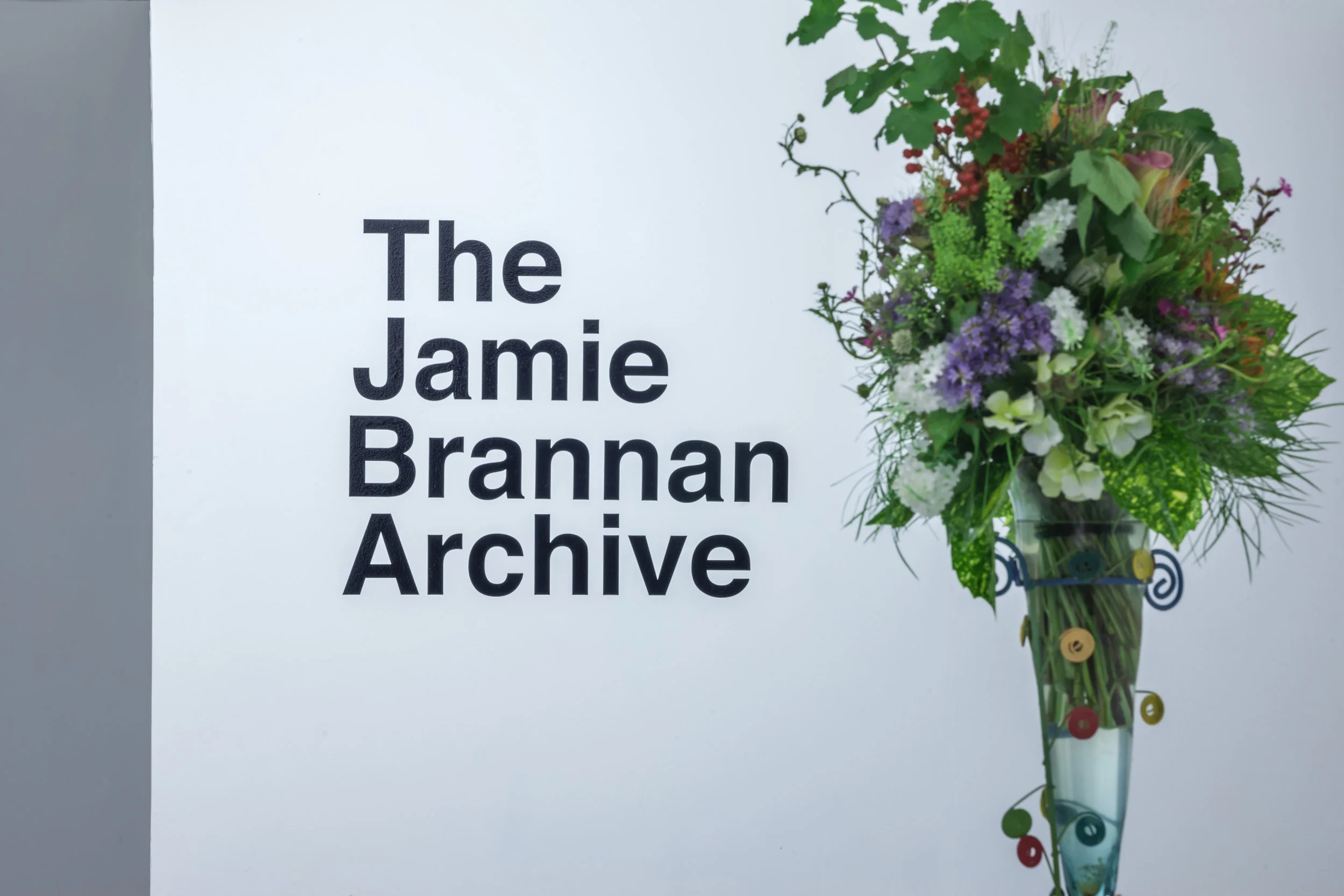
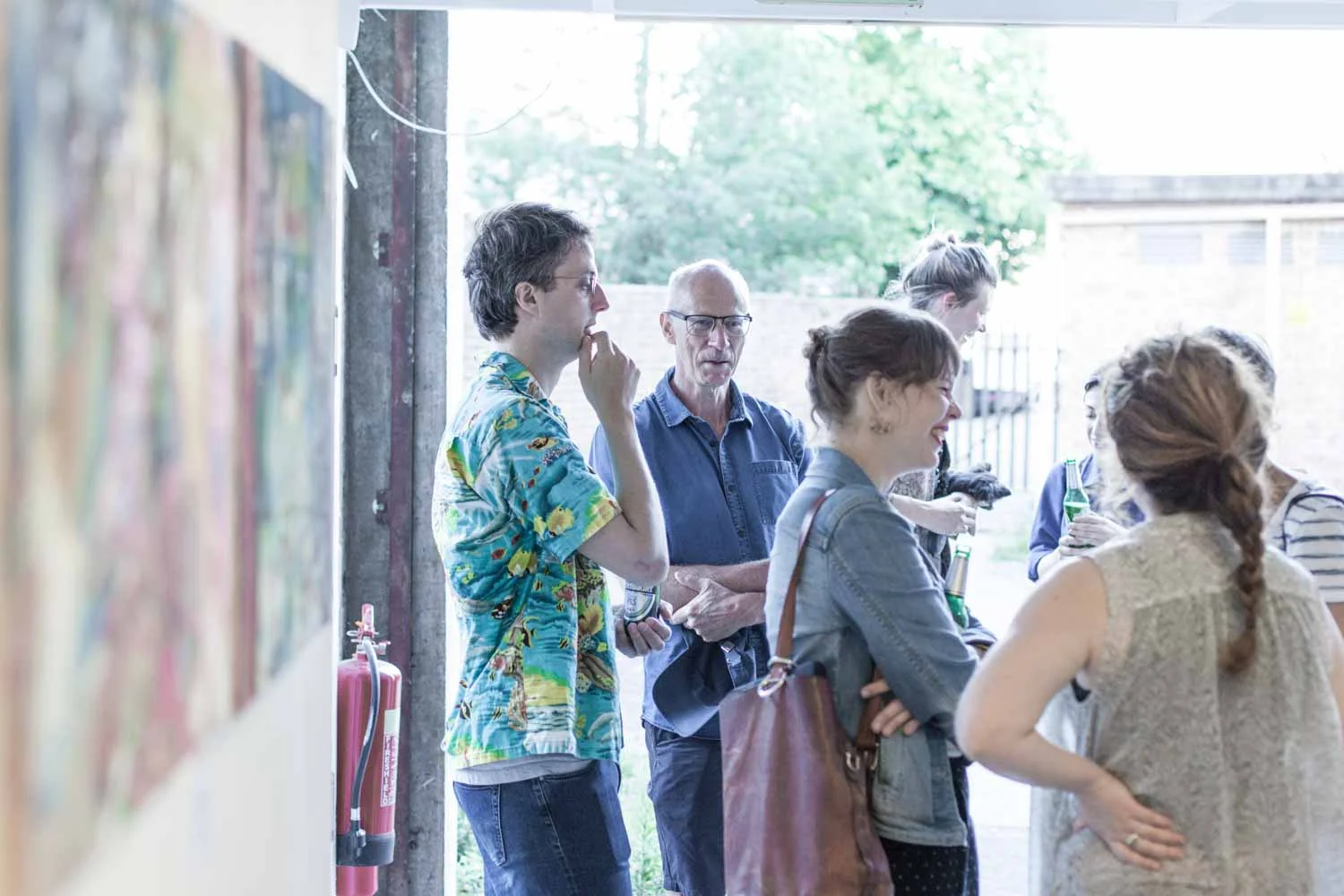
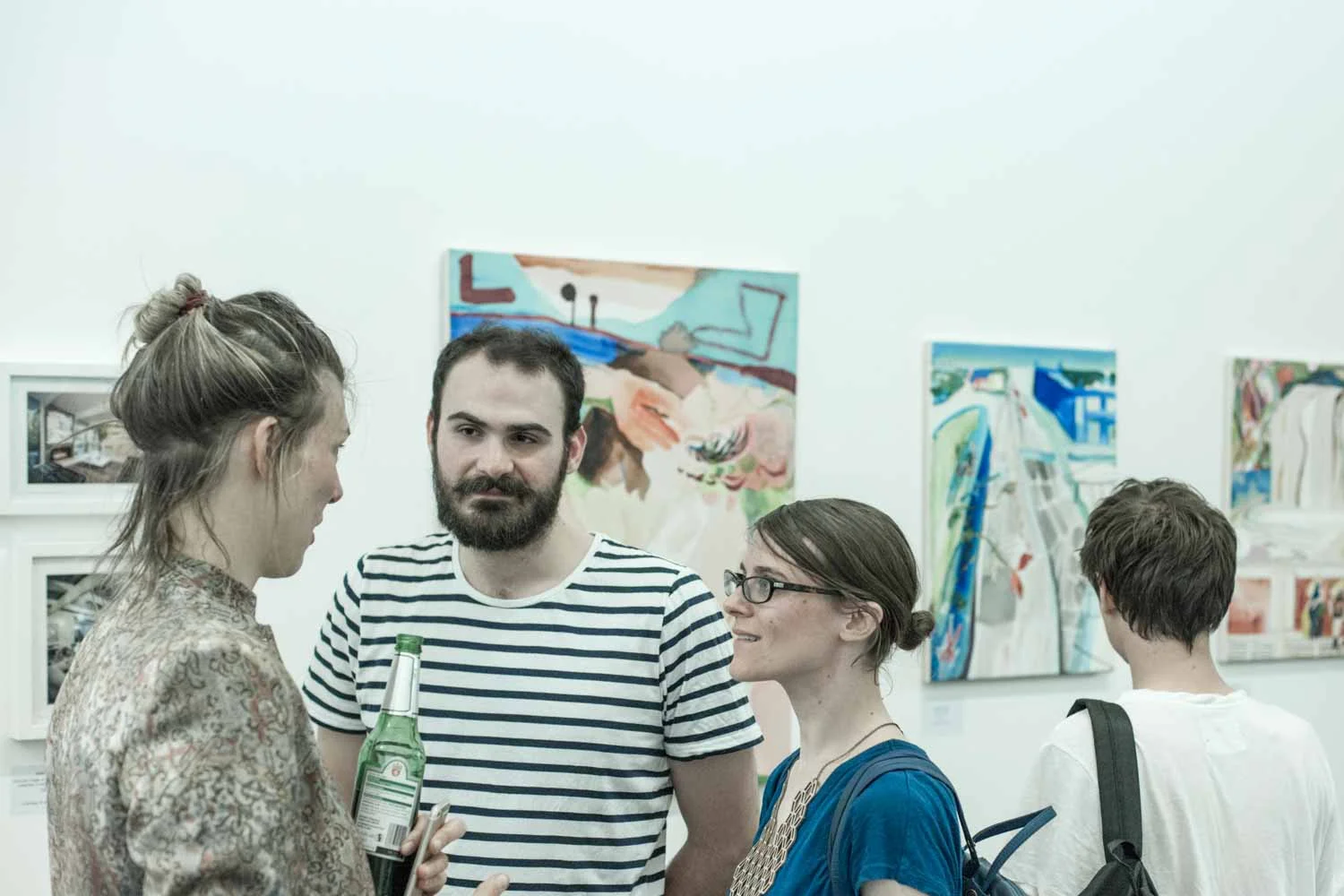
The Jamie Brannan Archive
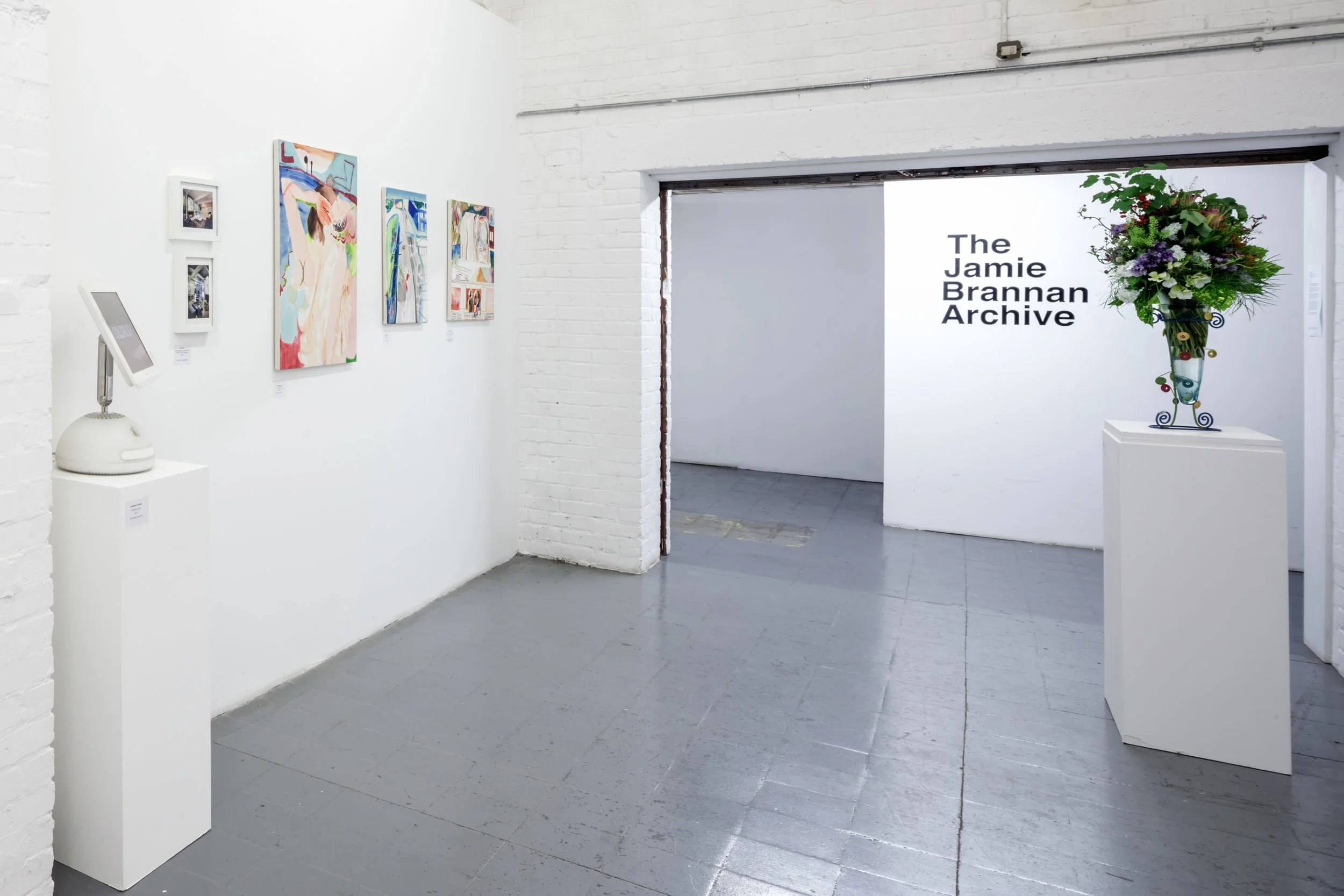
The Jamie Brannan Archive
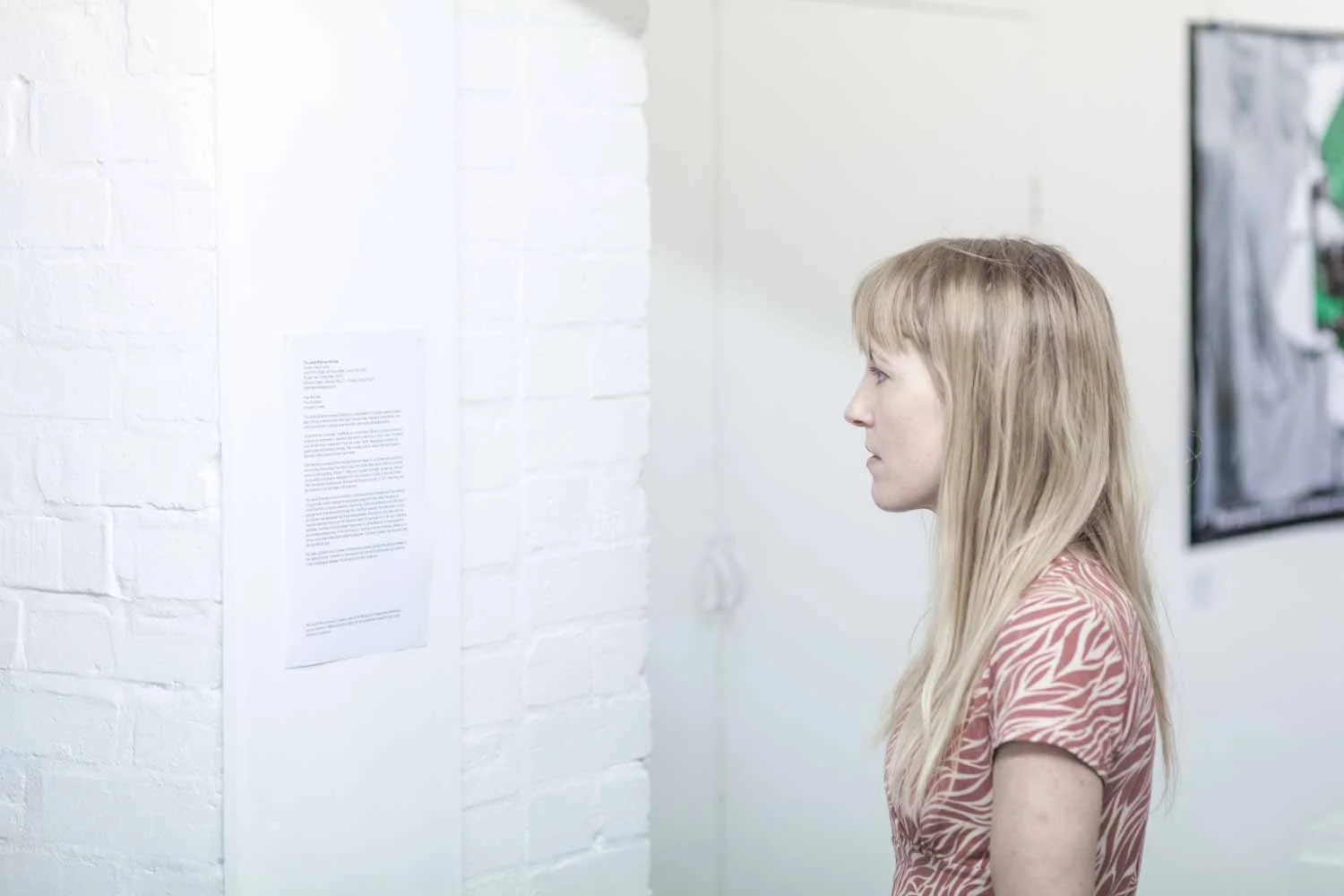
Tannery Arts, Unit 8 Rich Estate, 46 Willow Walk, London SE1 5SF
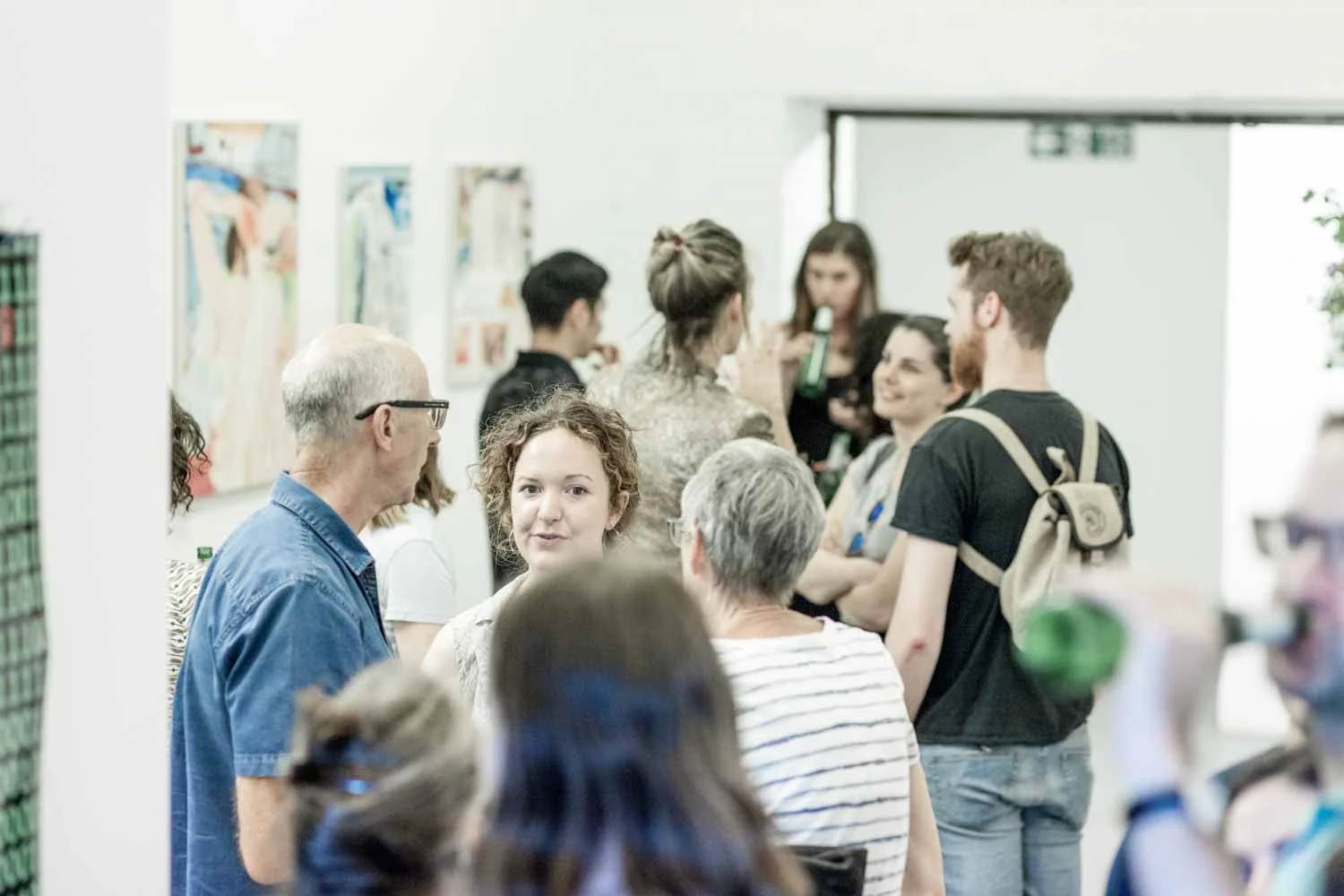
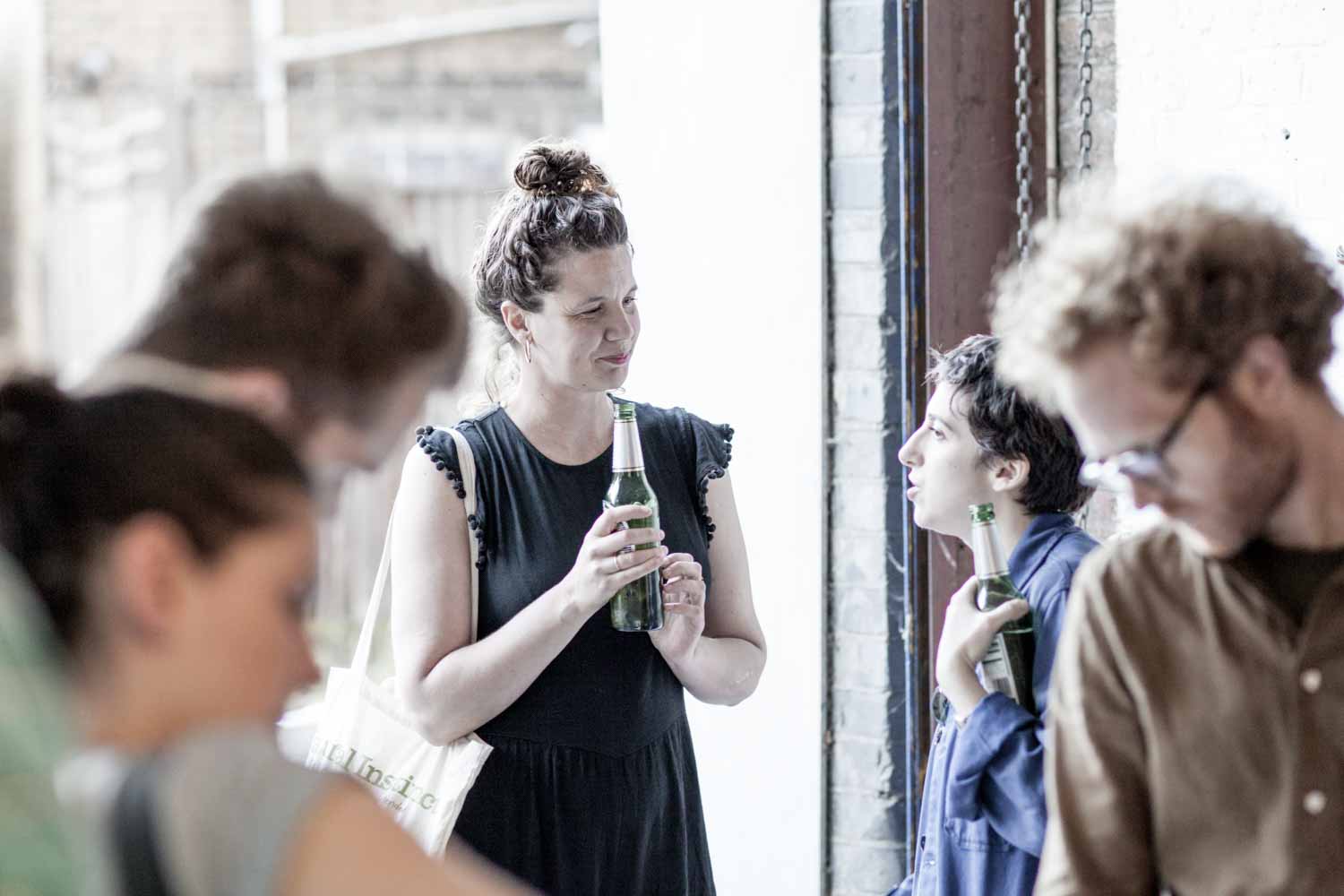
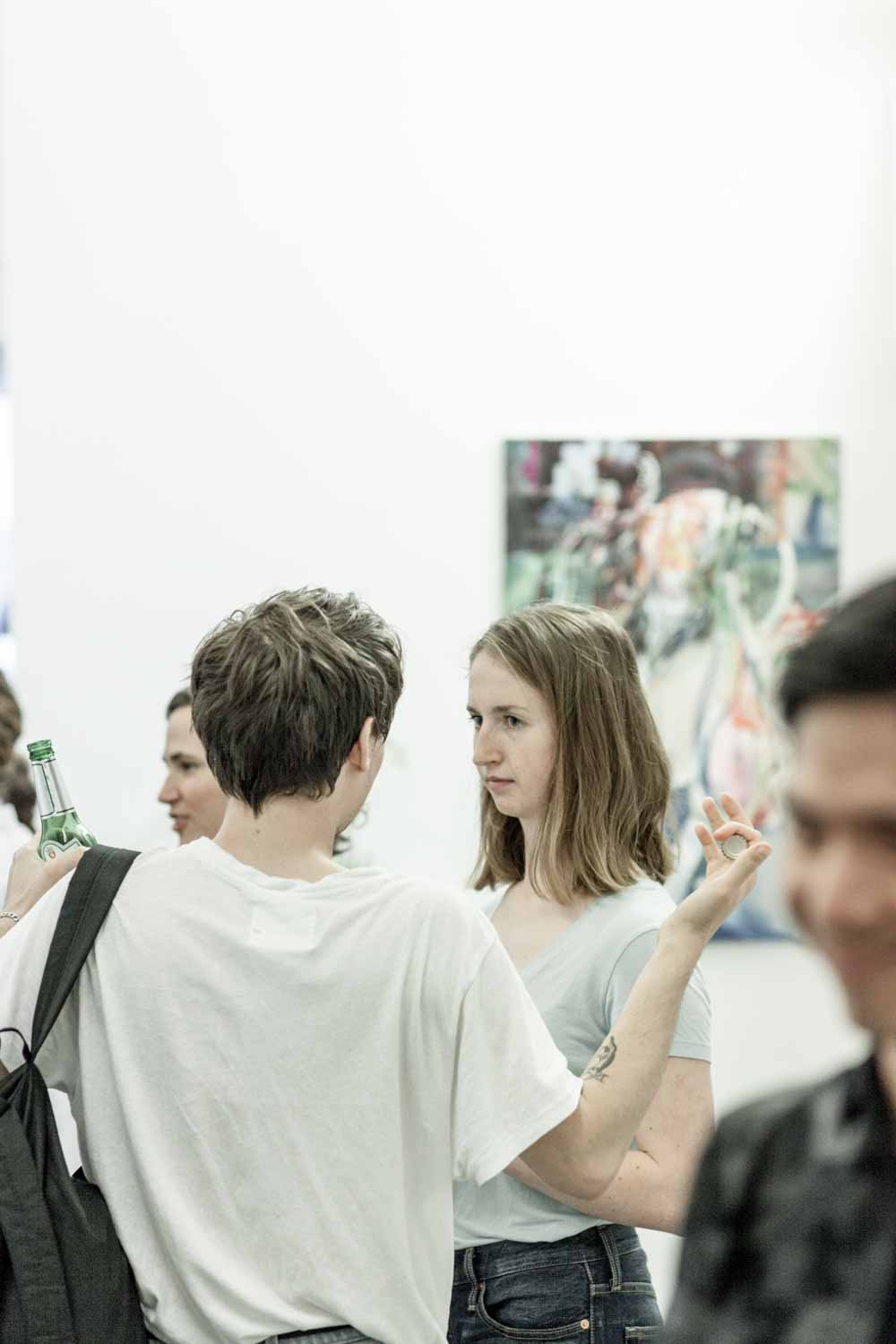
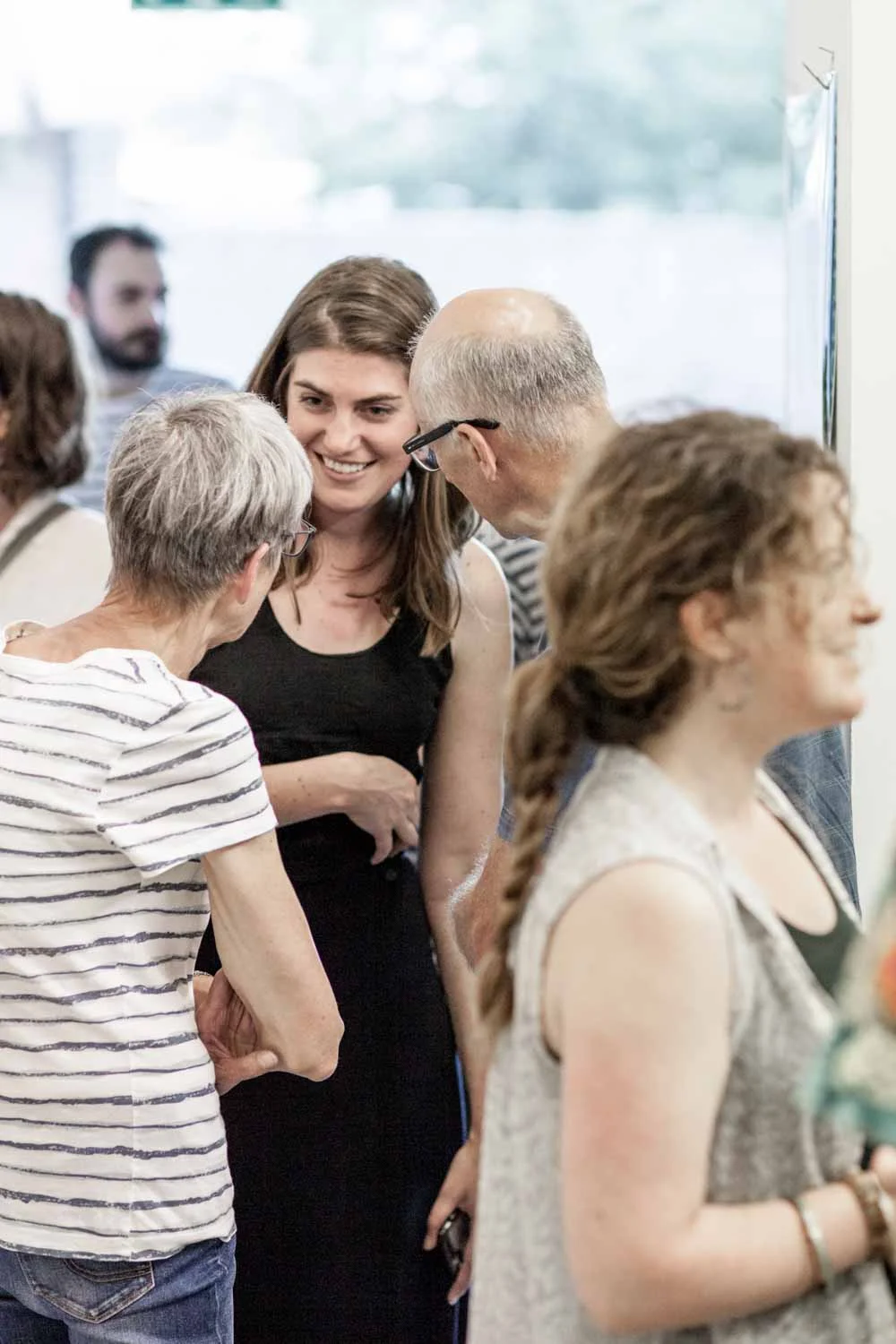
27 May – 25 June 2017 (private view 26 May)
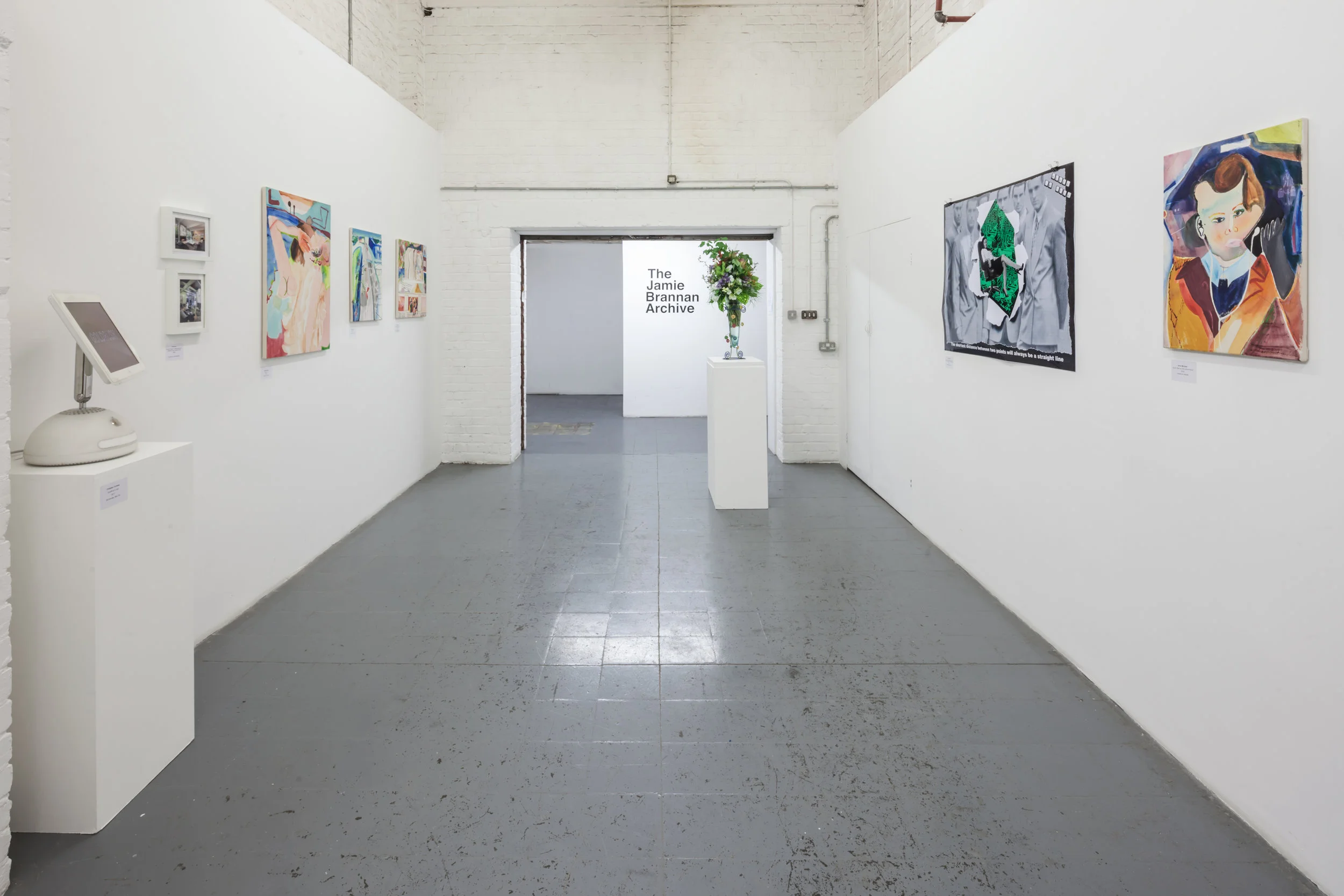
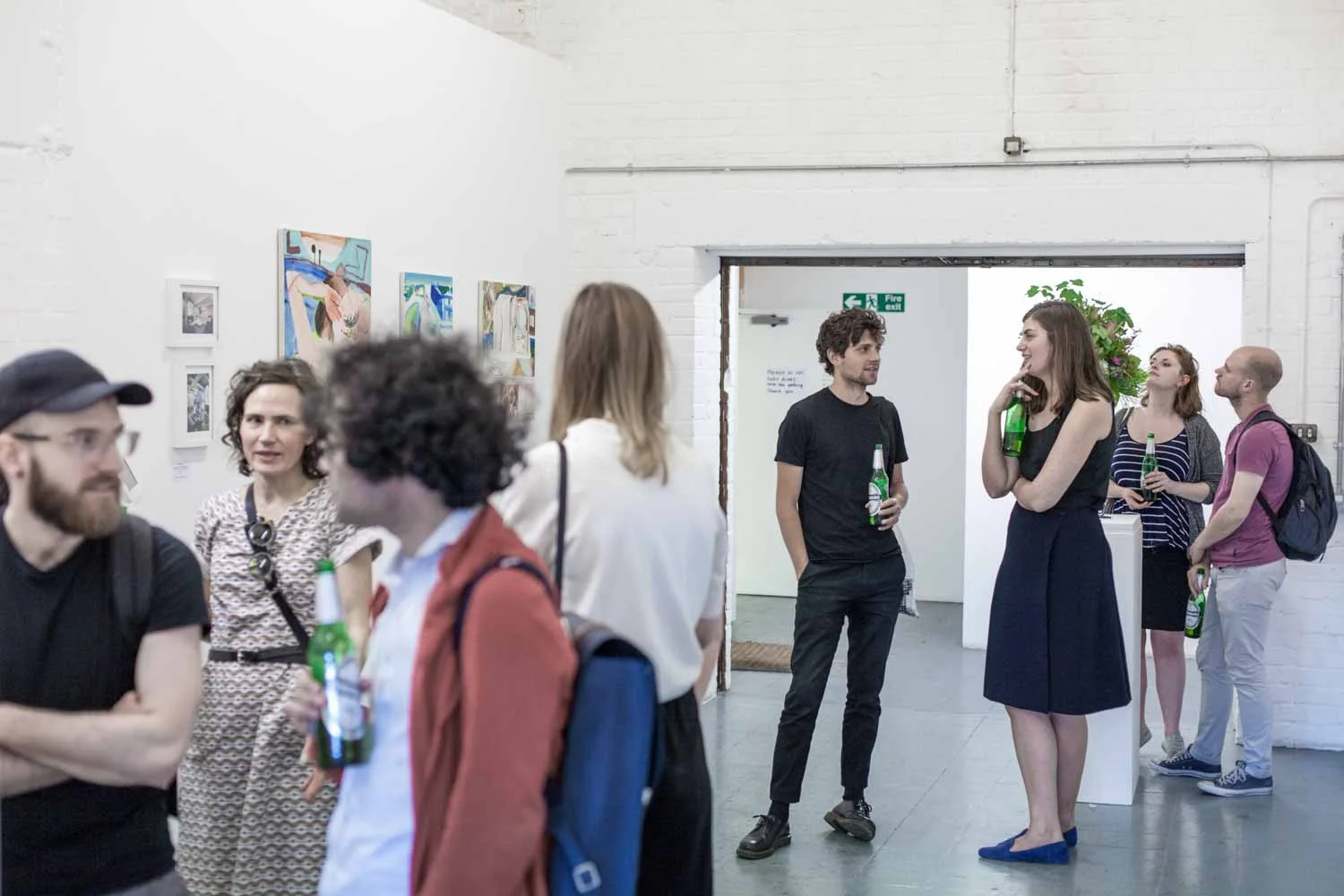
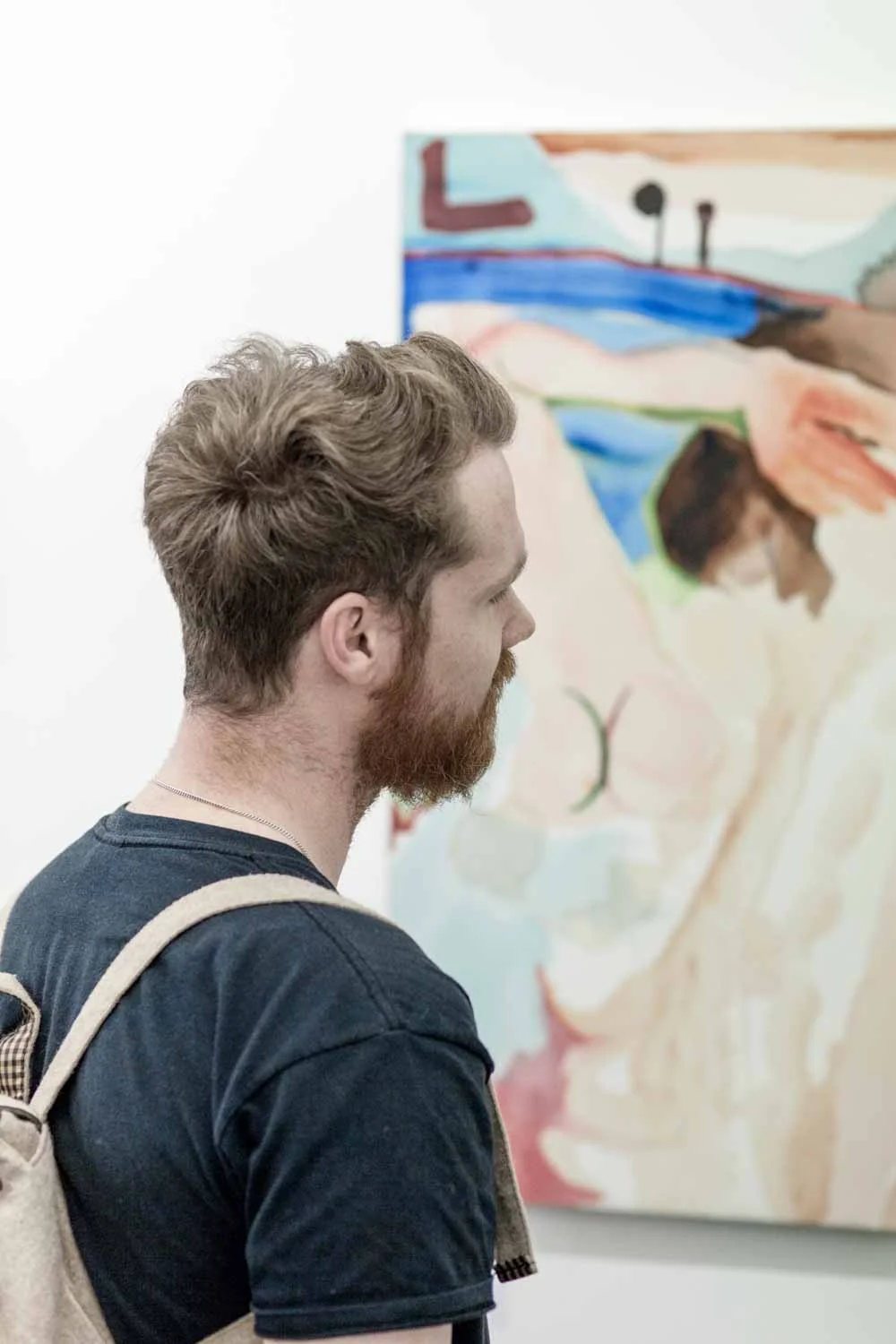
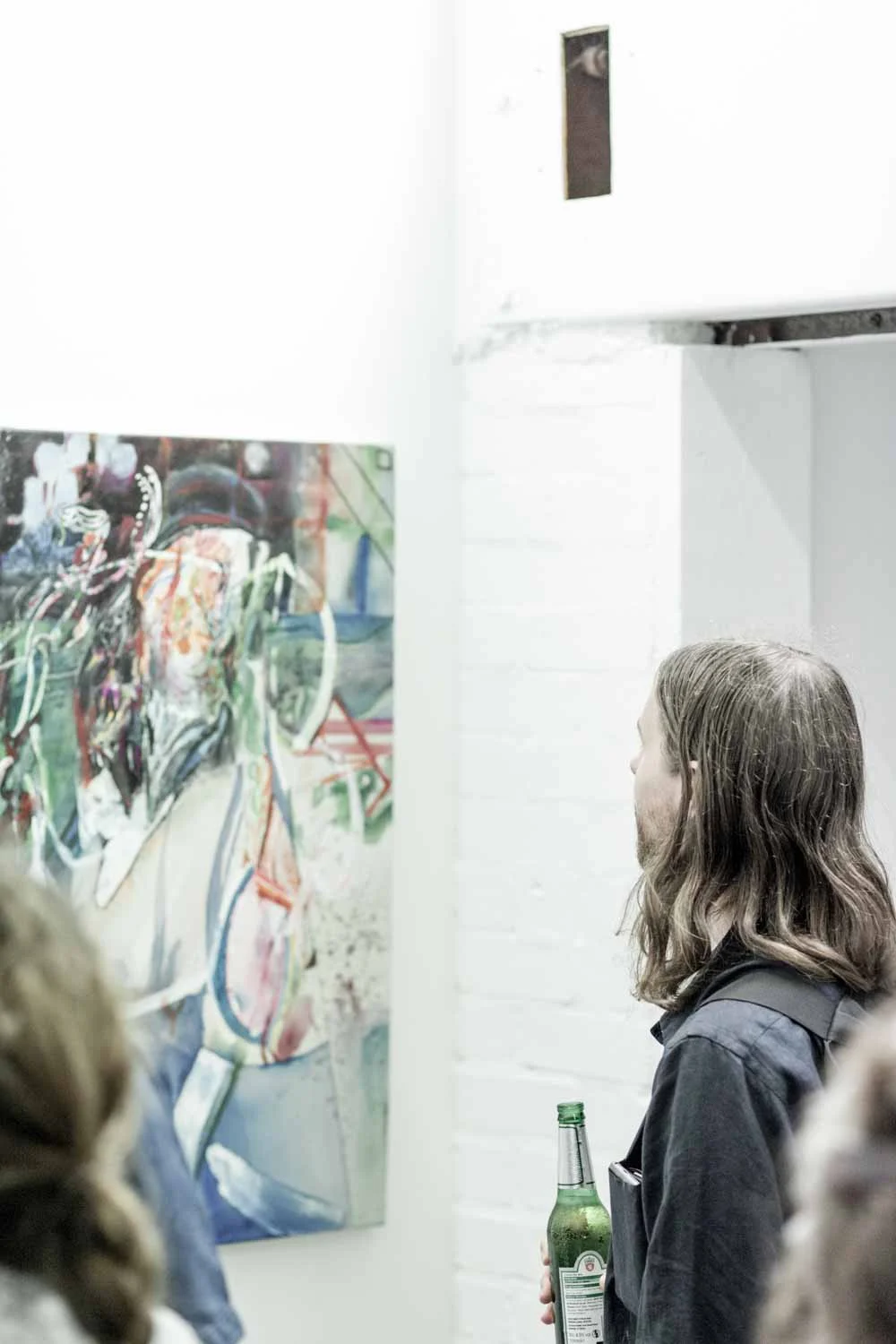
The Jamie Brannan Archive presented a larger research project into the art collection of an early San Francisco Bay Area tech entrepreneur, who commissioned and collected artworks while building an influential startup.
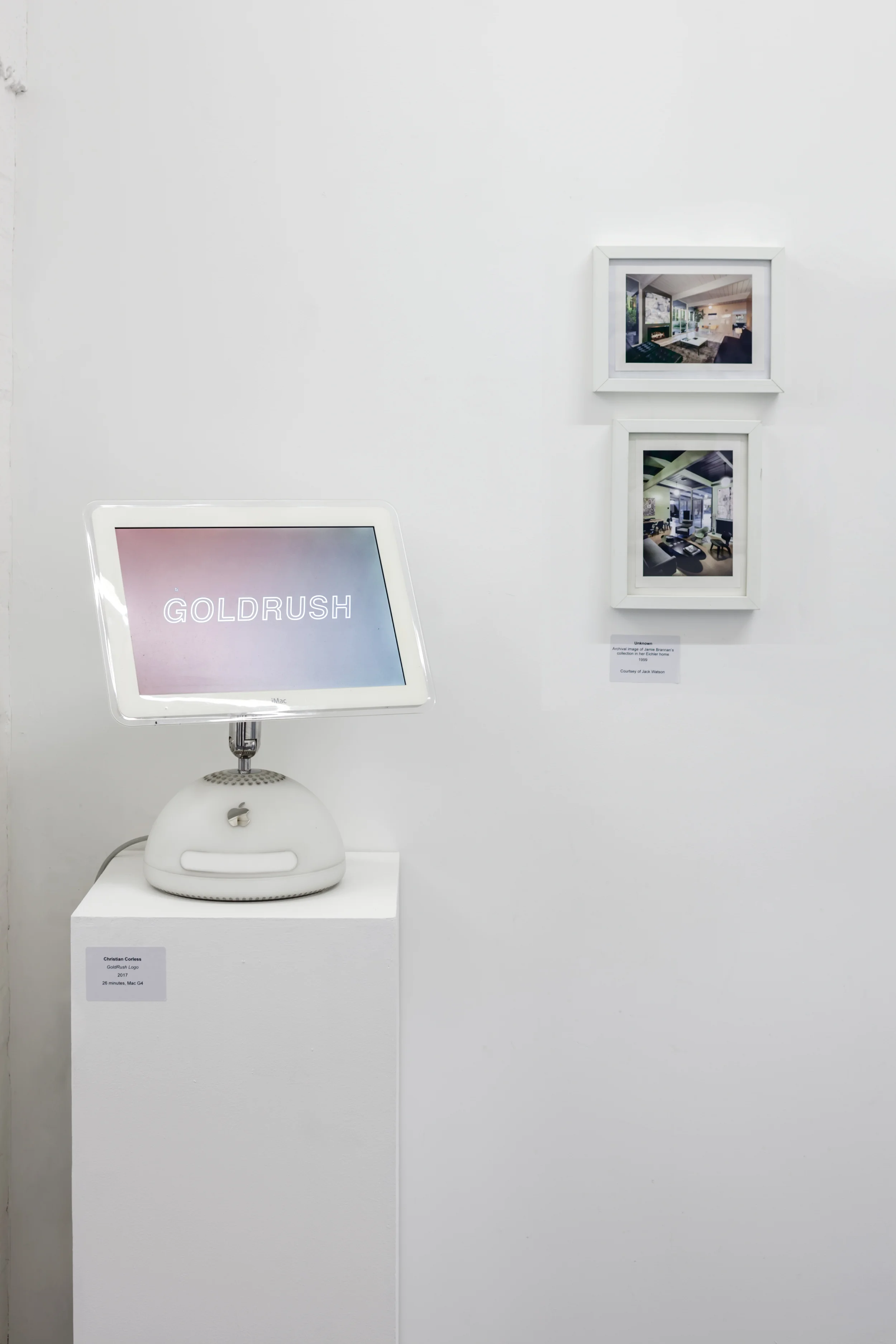
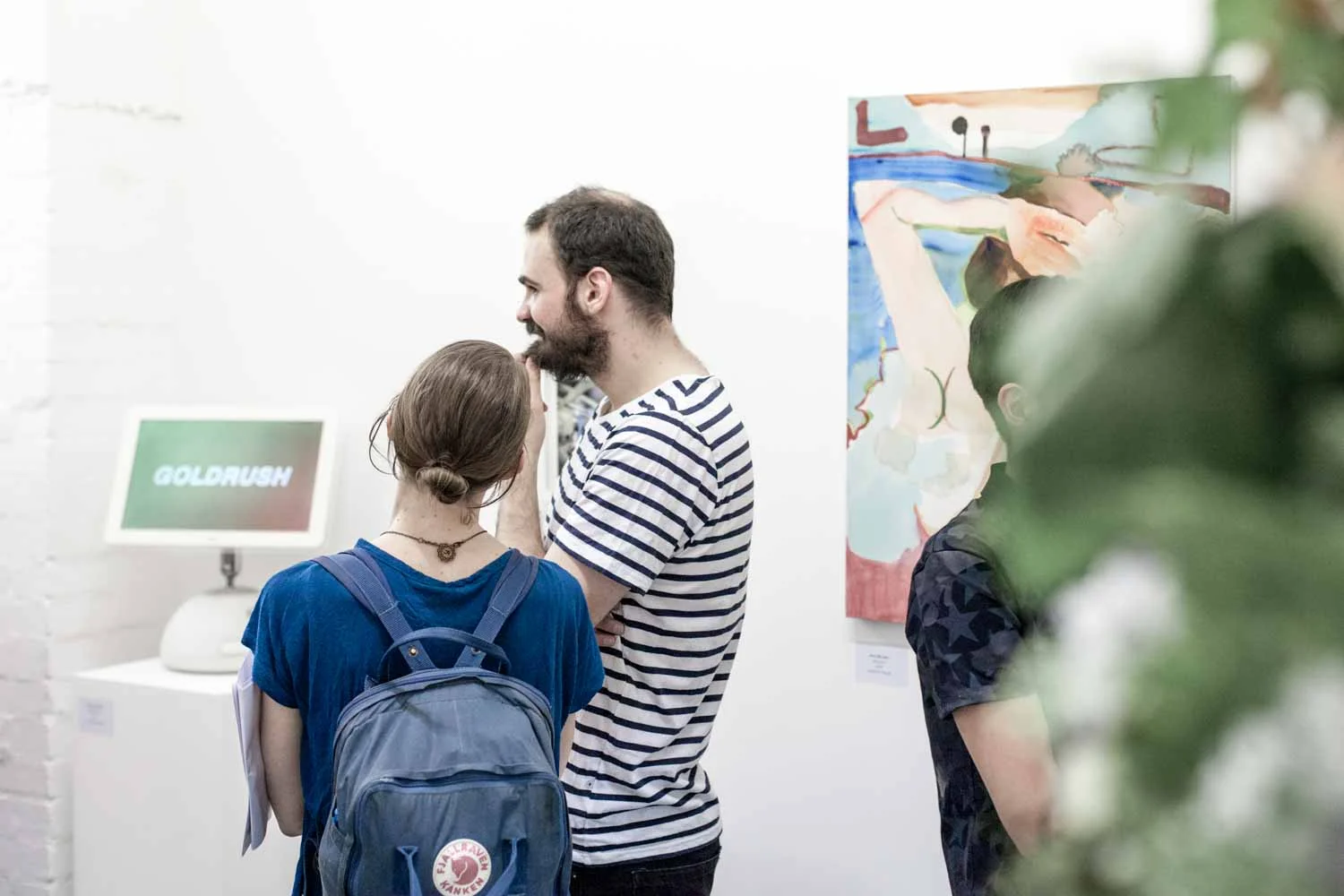
Jamie Brannan's company, GoldRush, was an online flower delivery service that promised to deliver arrangements within half an hour of ordering, in selected cities. With major investment in the mid to late 1990s, it built a network of warehouses and delivery vehicles. In its early days the company and its first hires worked out of Brannan's mid-century Eichler tract home.
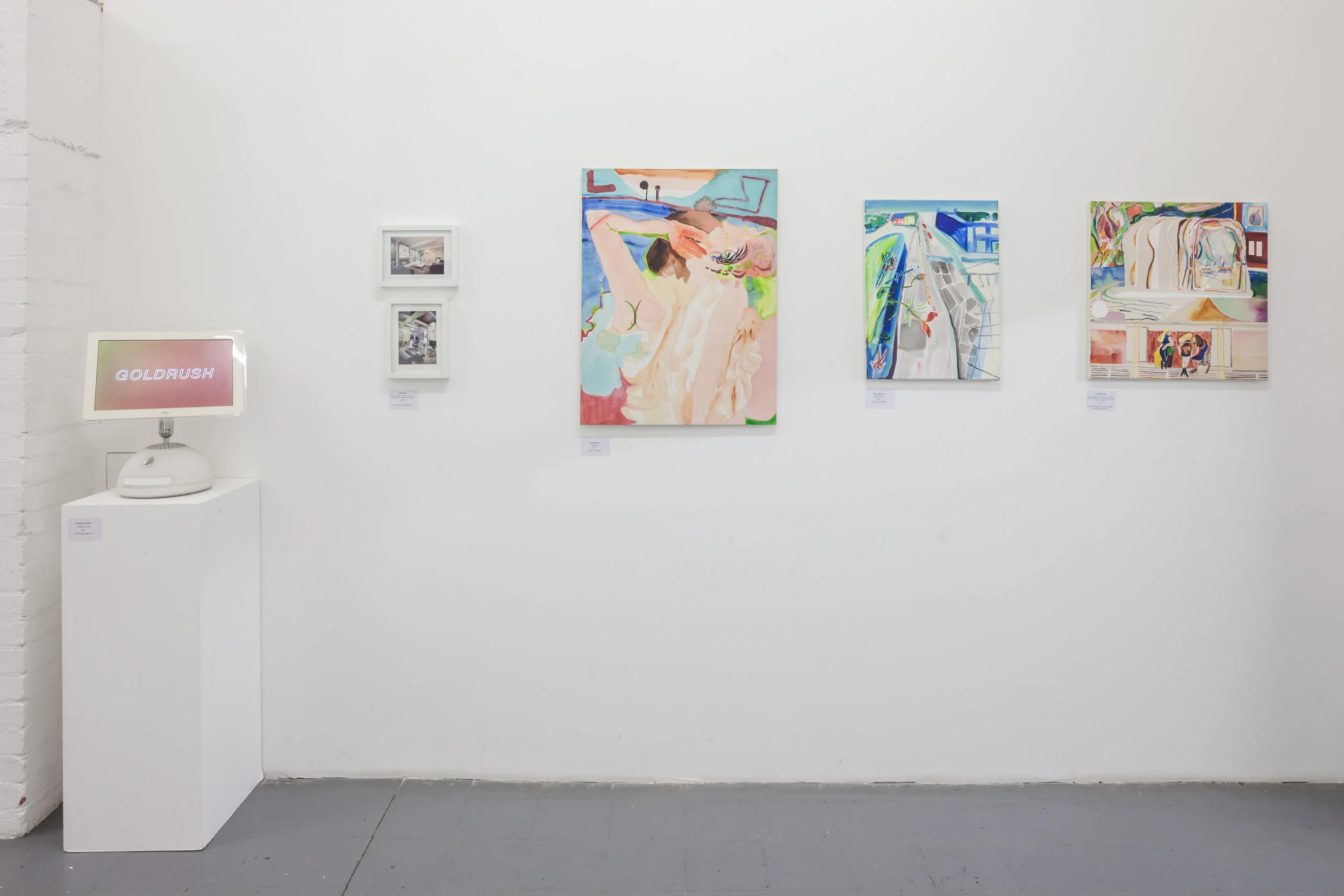
As the business succeeded, Brannan began buying and commissioning work by Bay Area artists to hang in the house. Her collection included work by Bernice Bing, William T. Wiley and Squeak Carnwath, alongside young, unknown artists and graphic designers from the California College of Arts and Crafts. When the dot-com bubble burst, Brannan left the tech industry. In 2001 she dispersed the collection of an estimated 250 works.
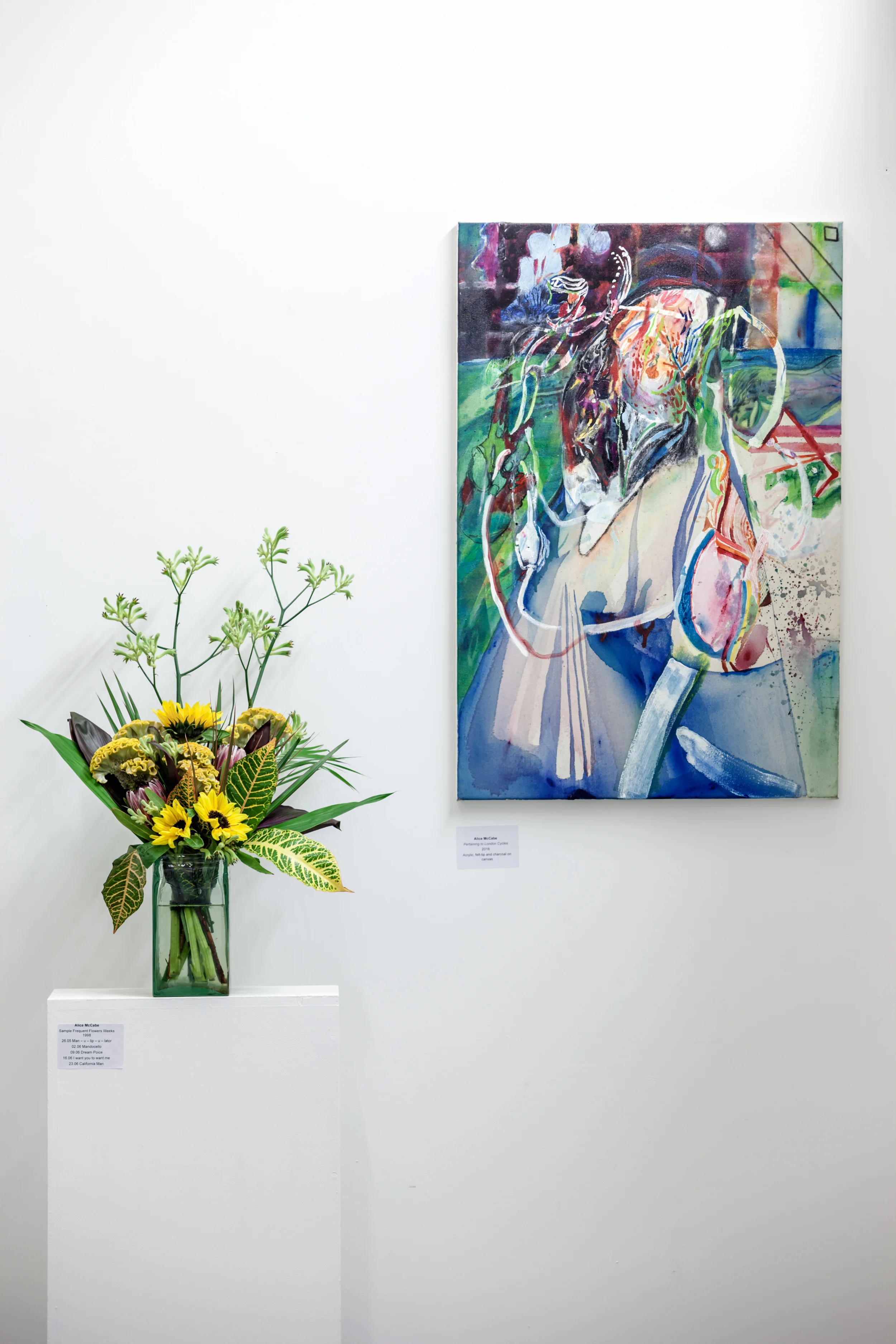
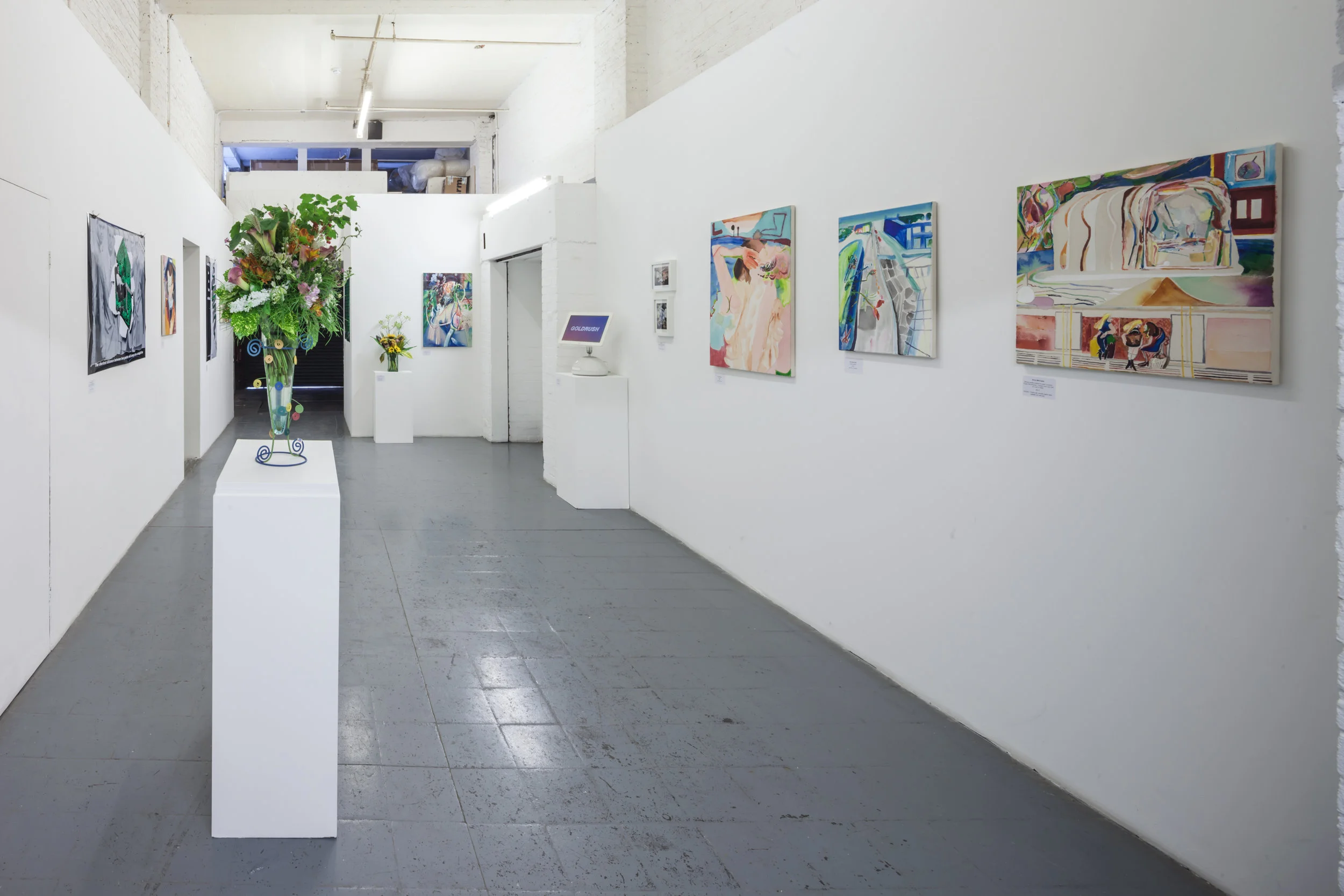
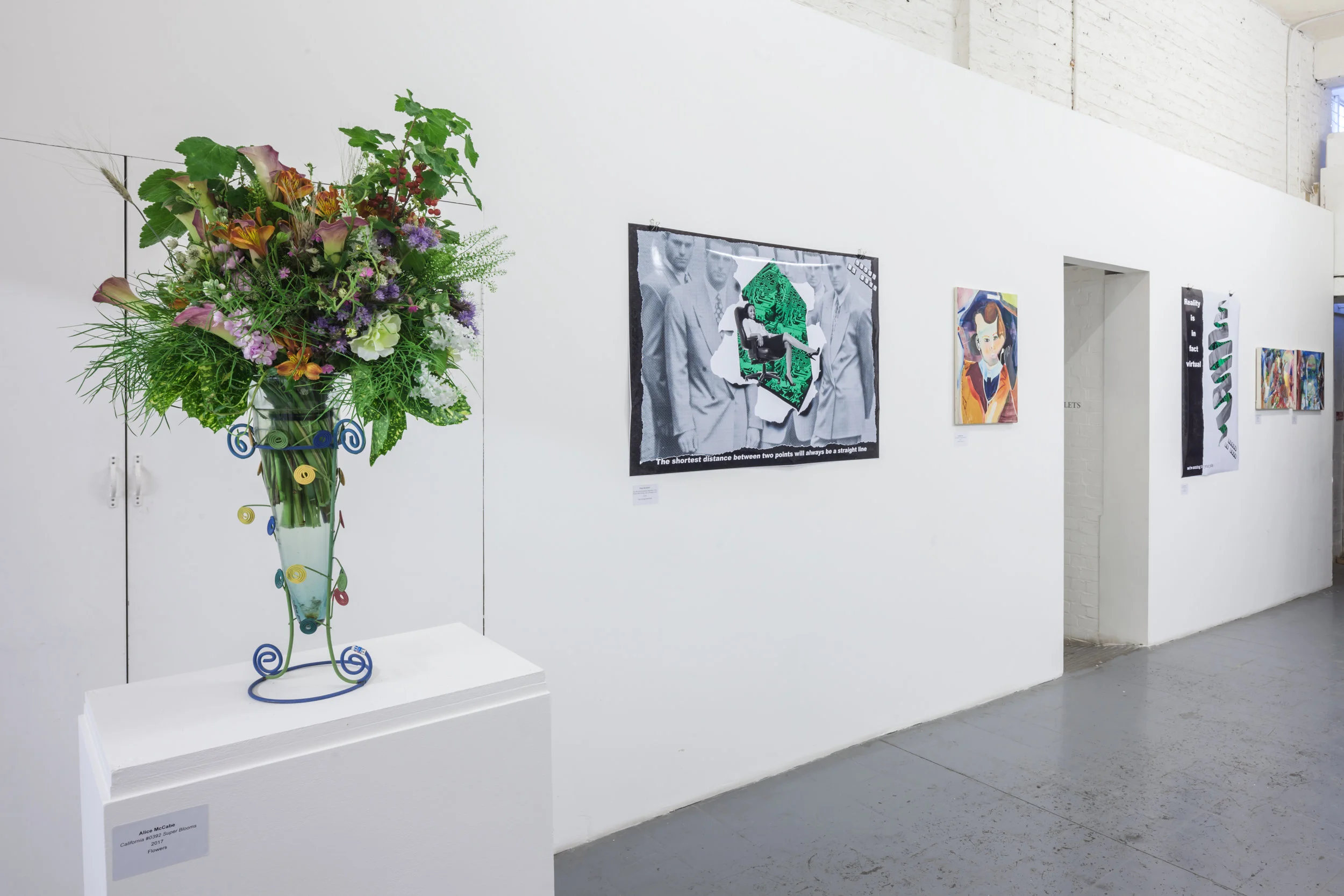
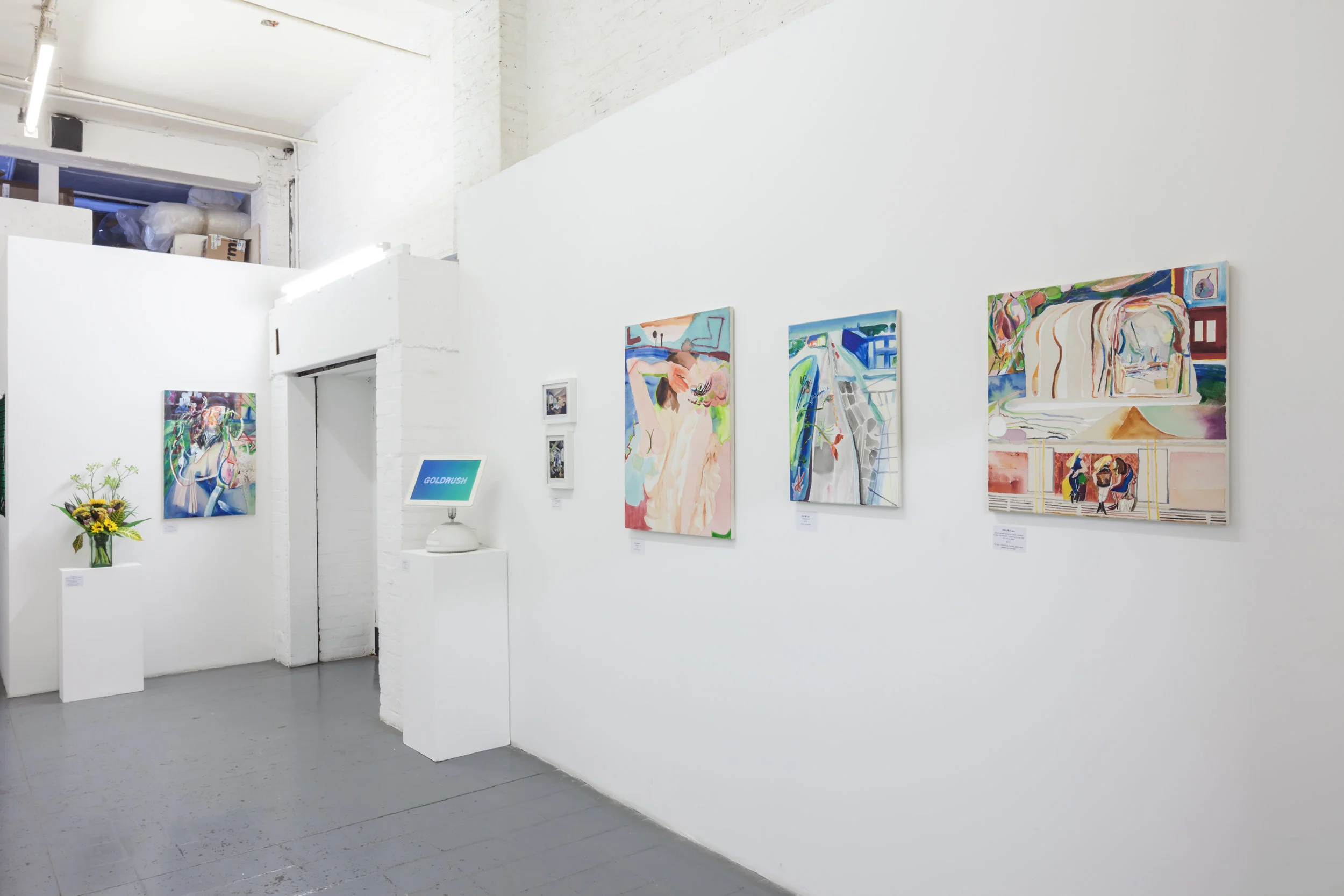
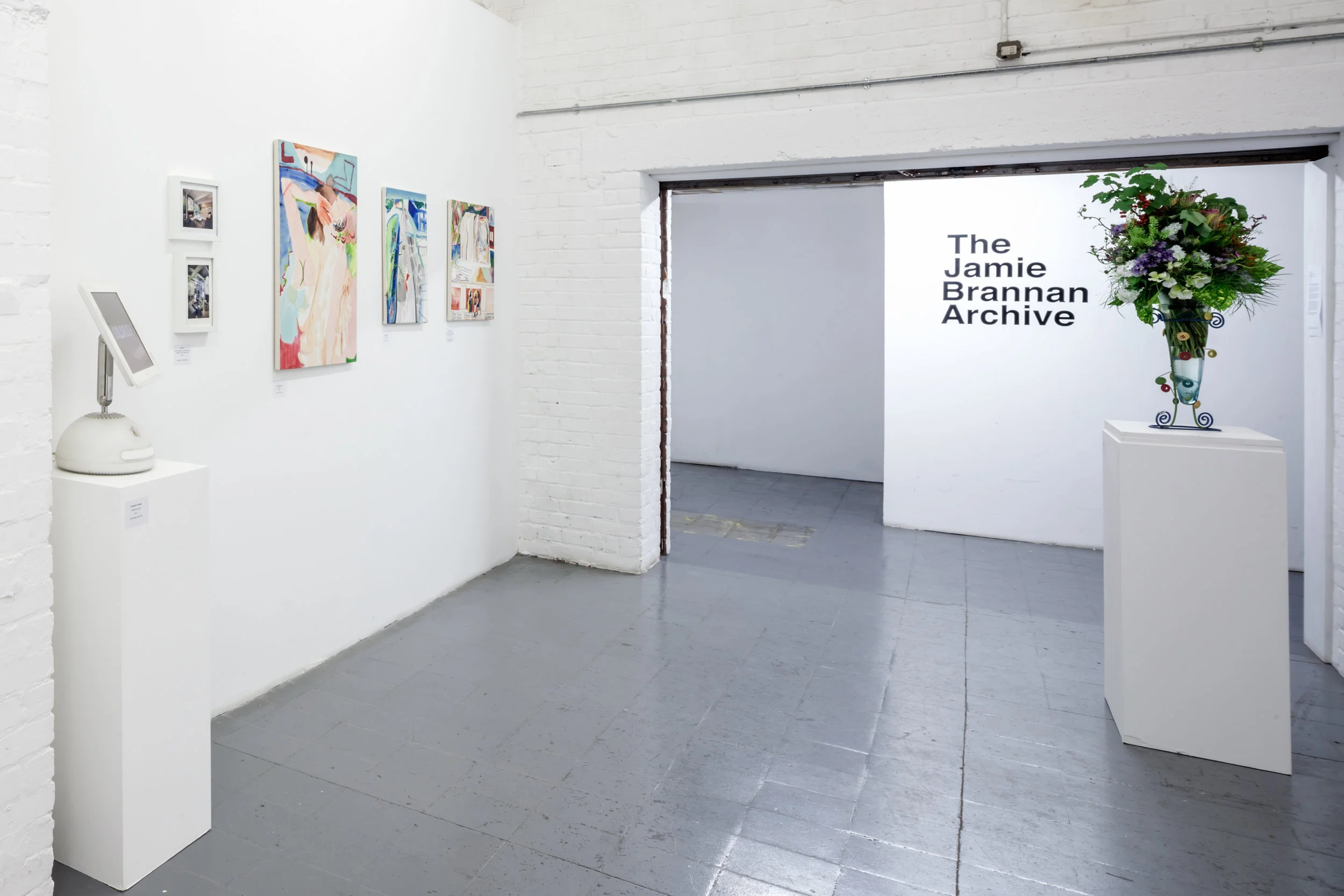
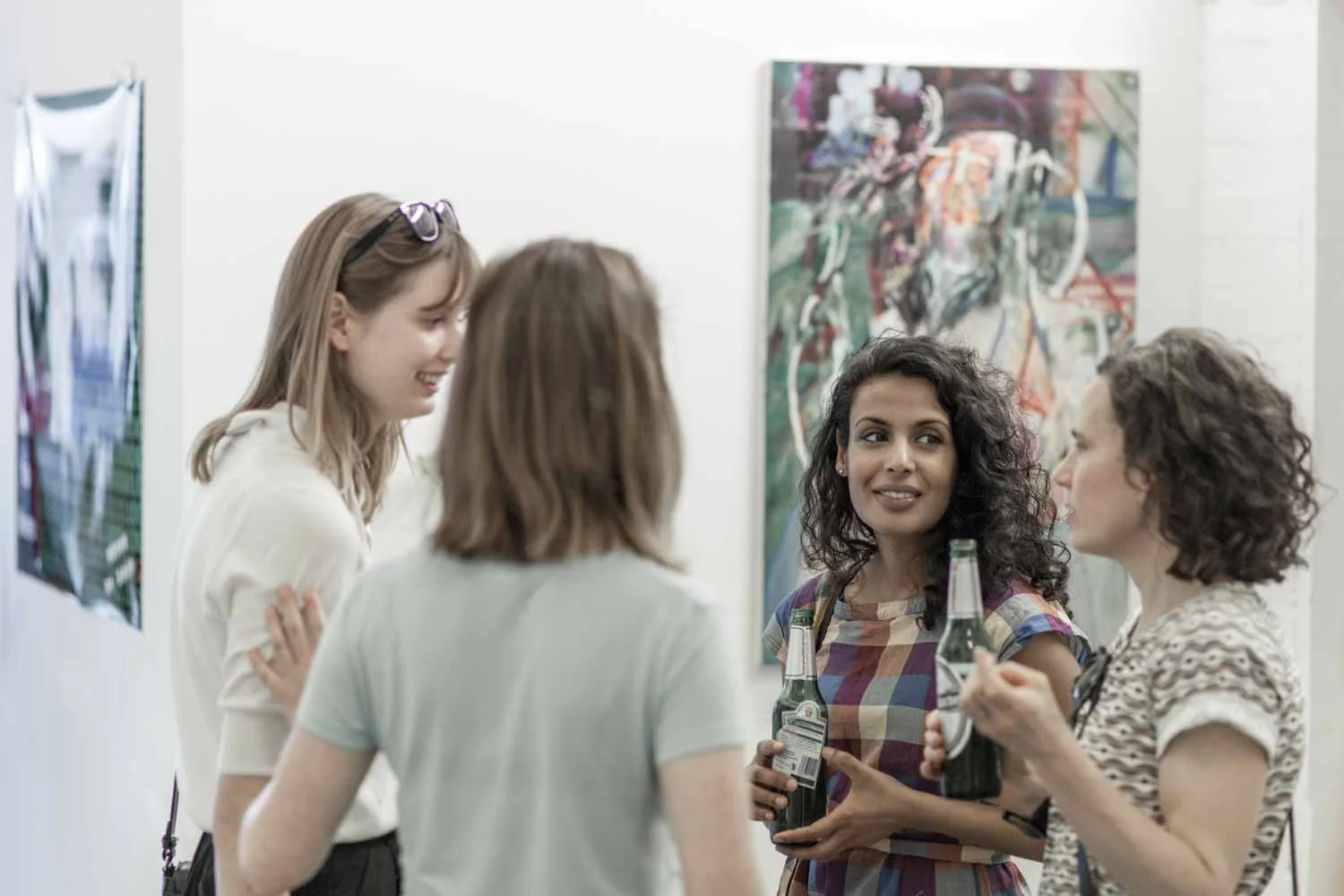
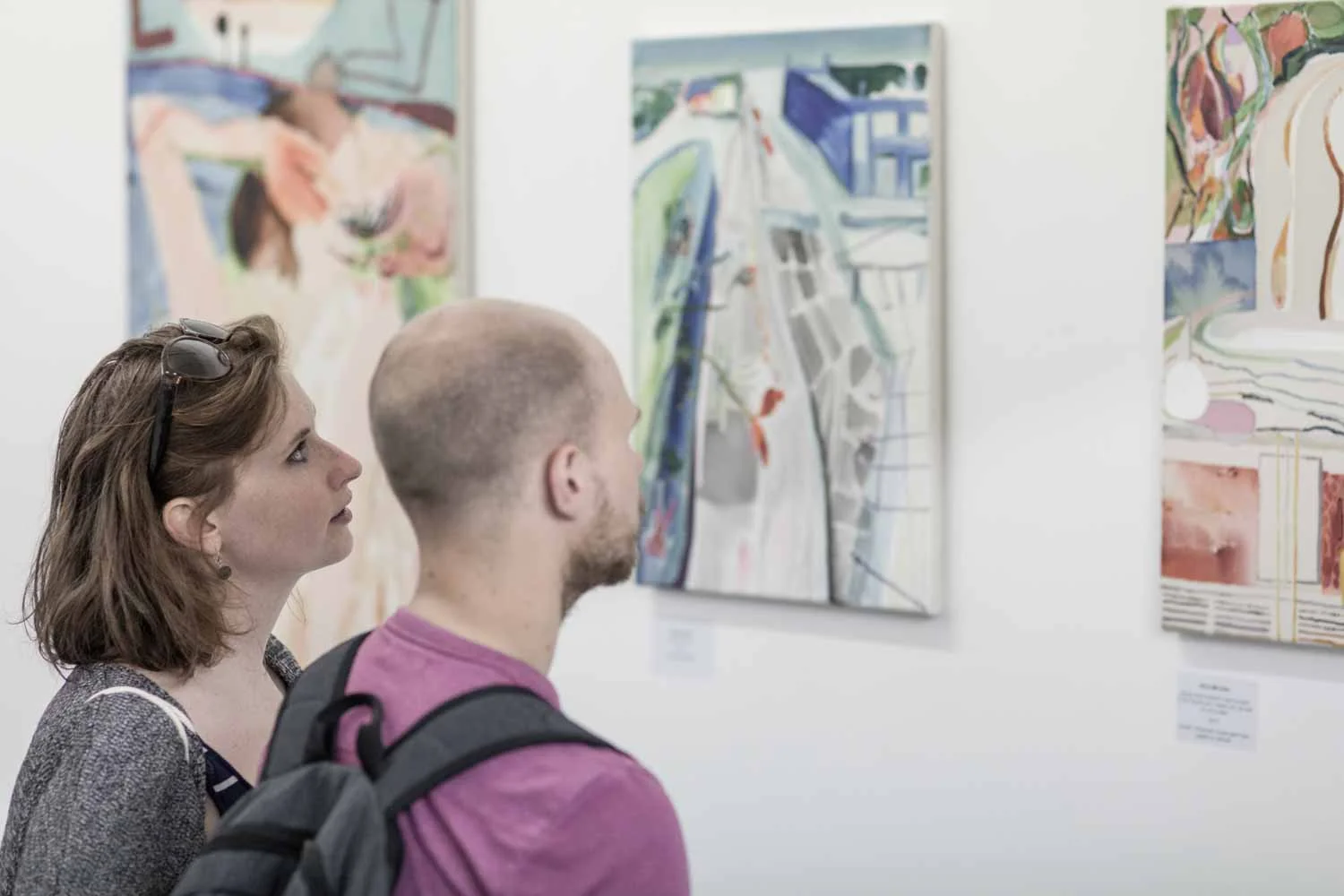
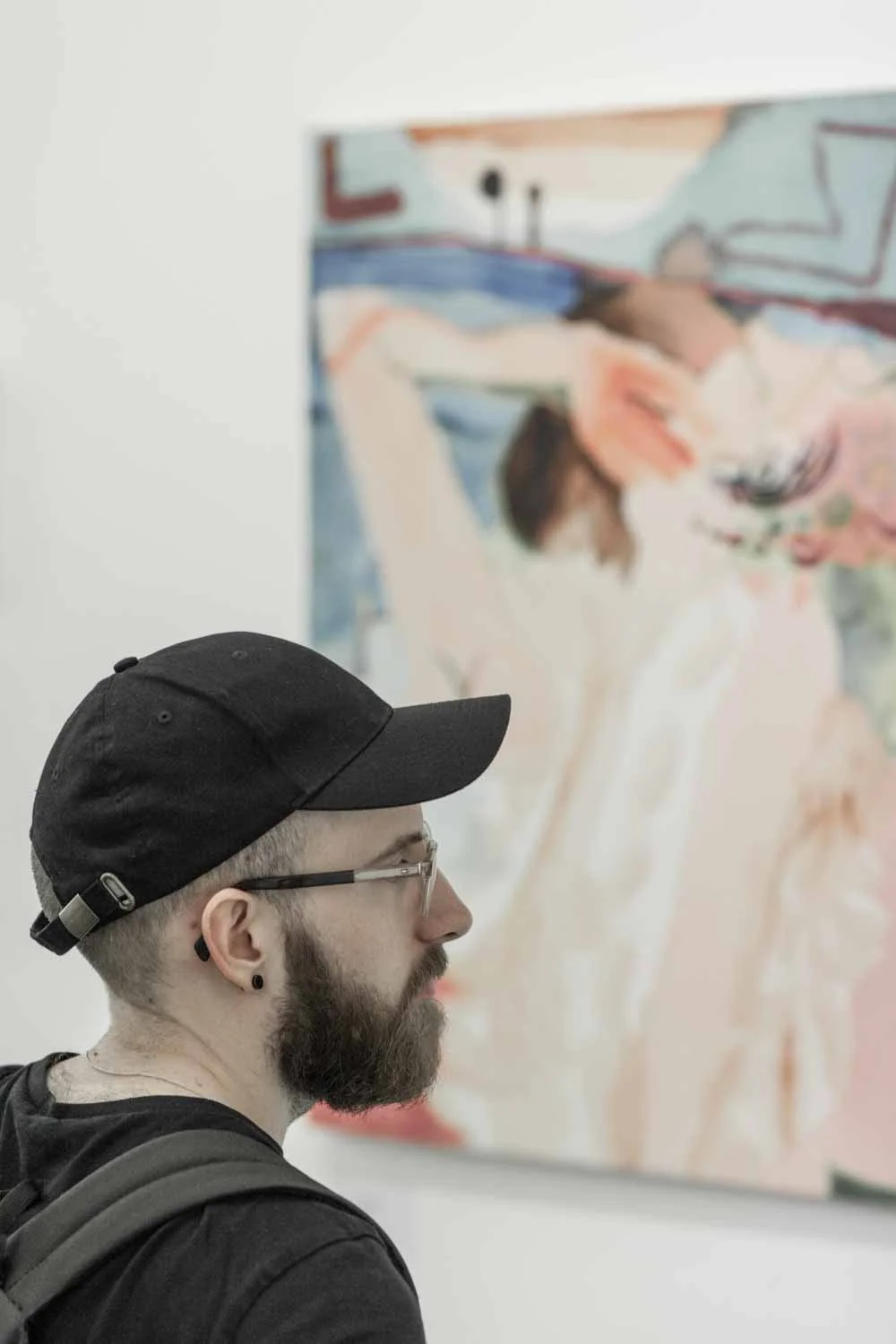
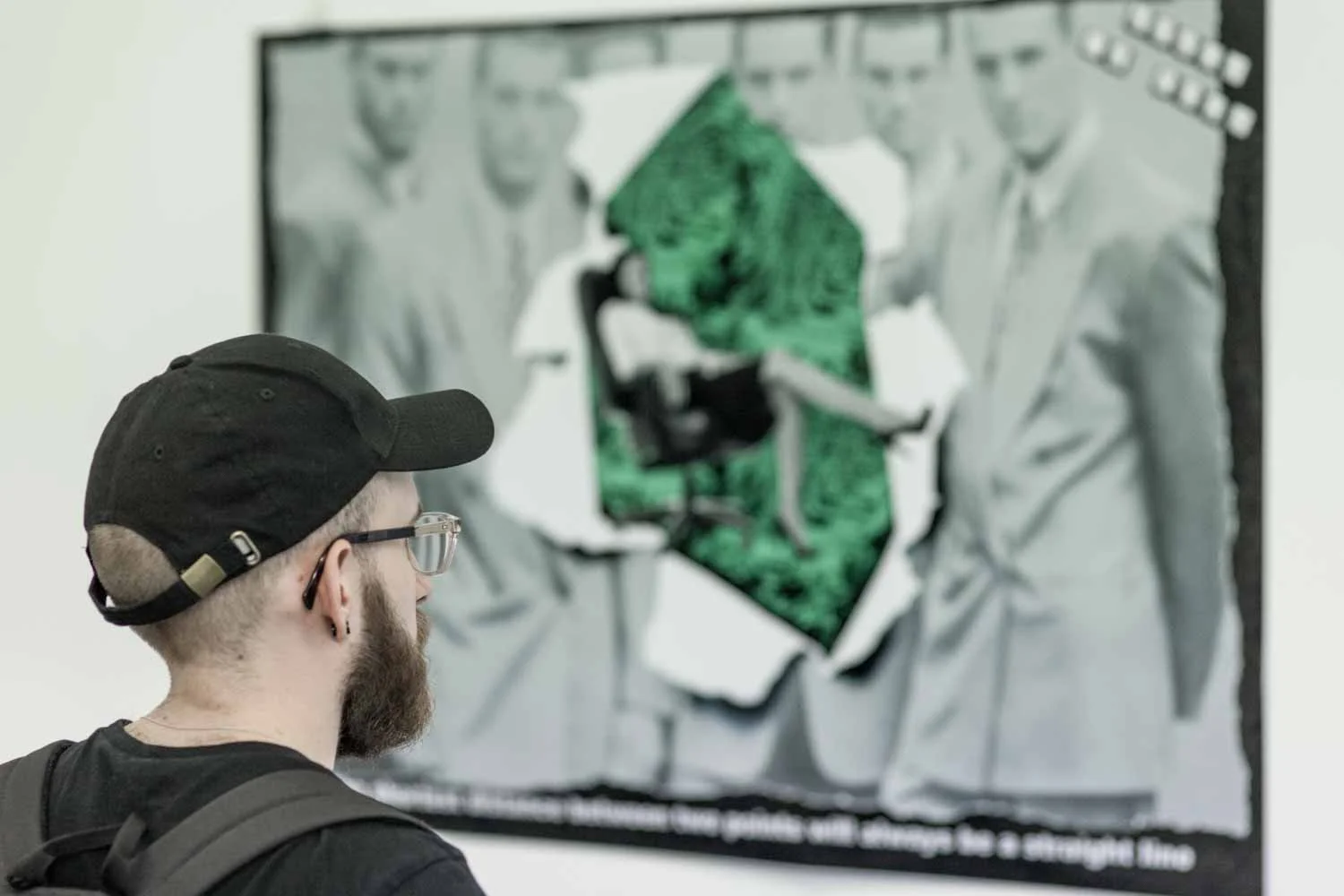
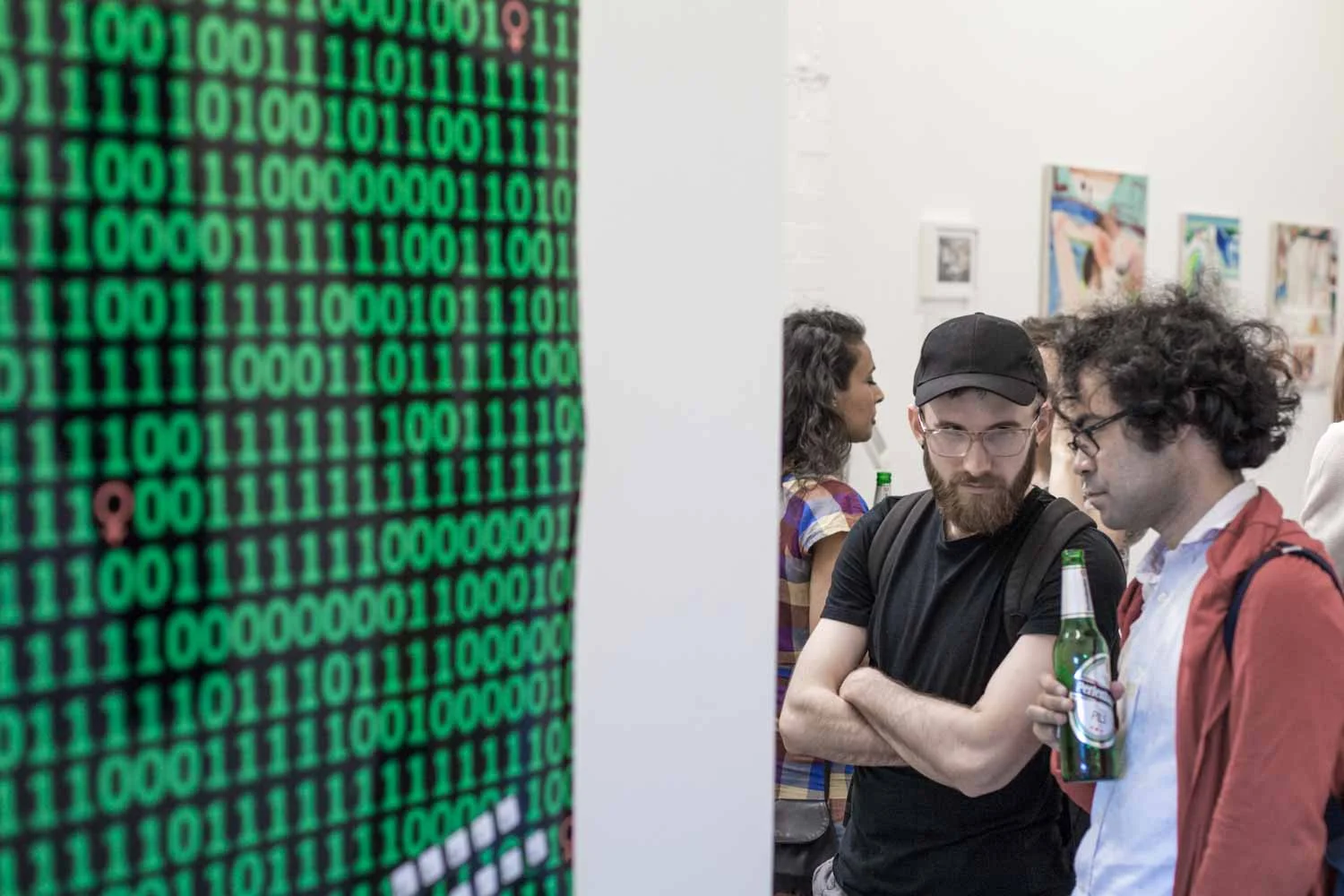
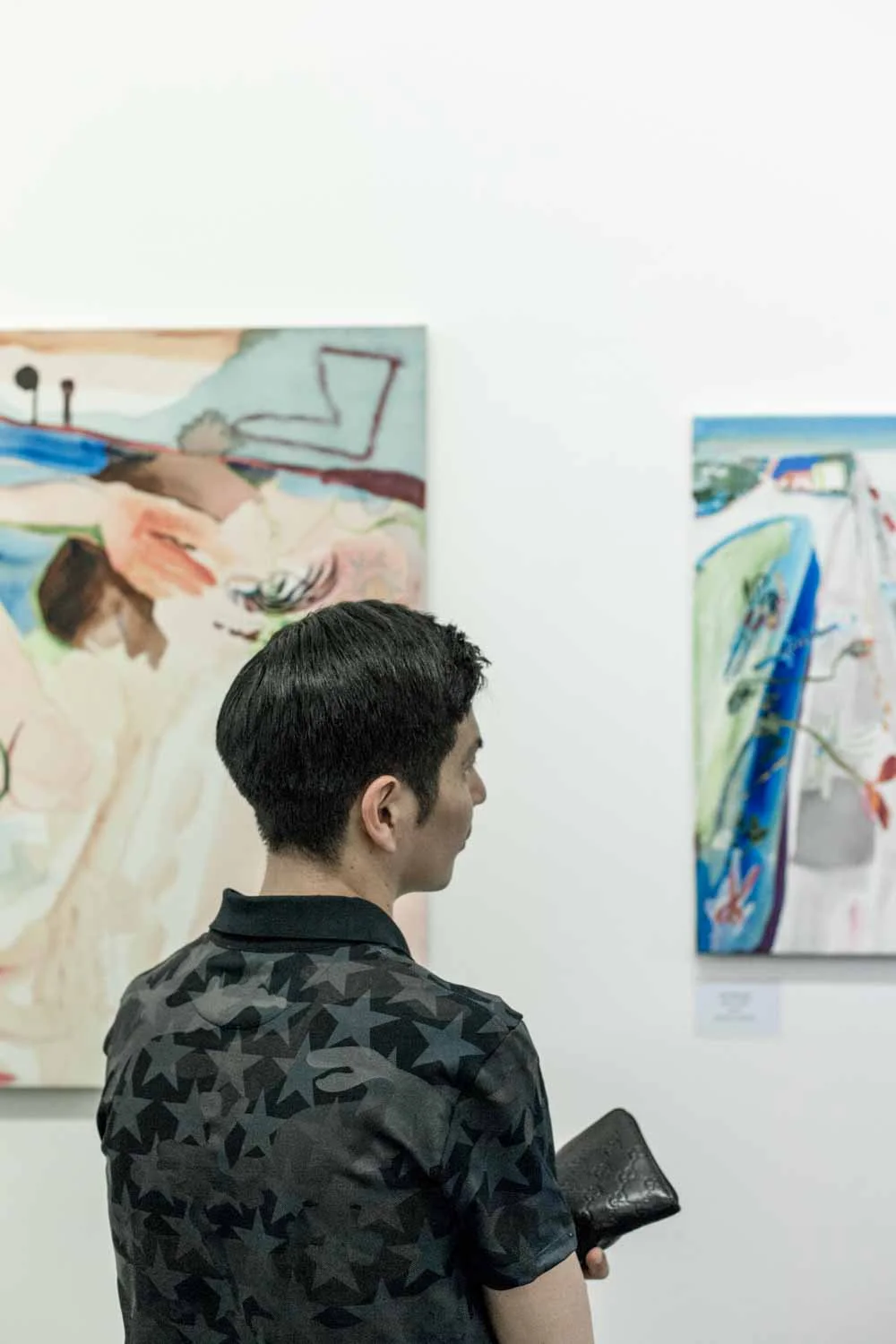
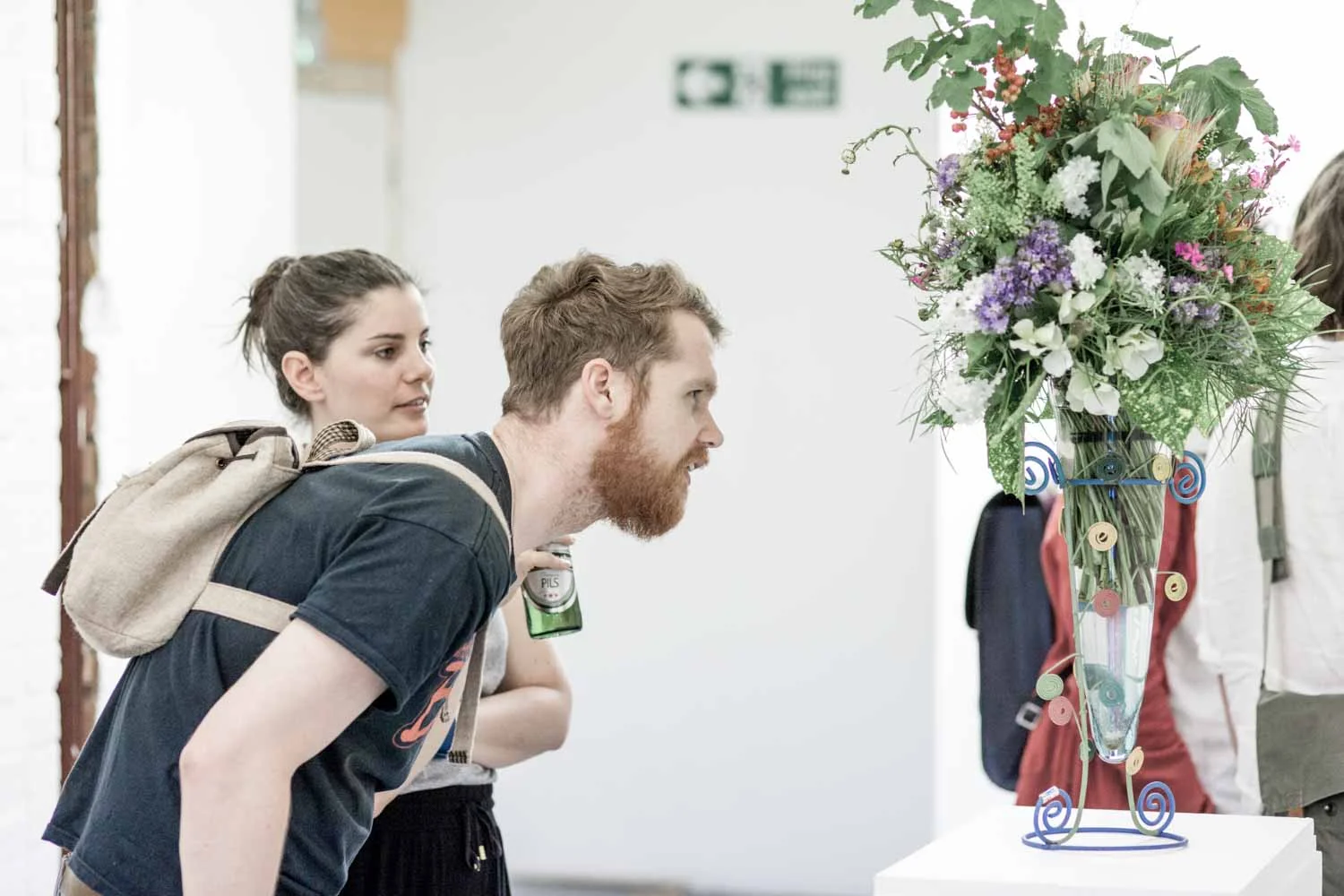
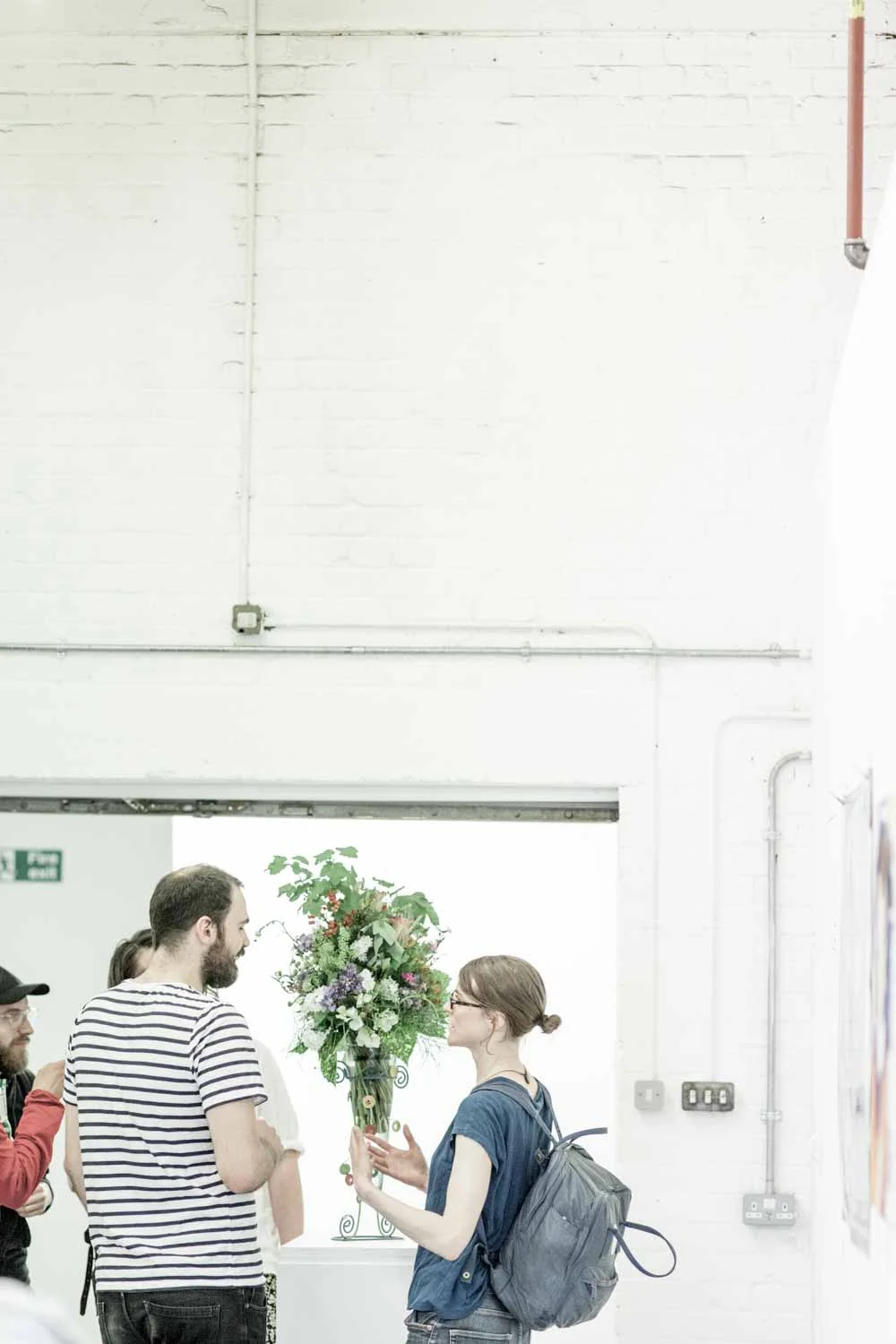
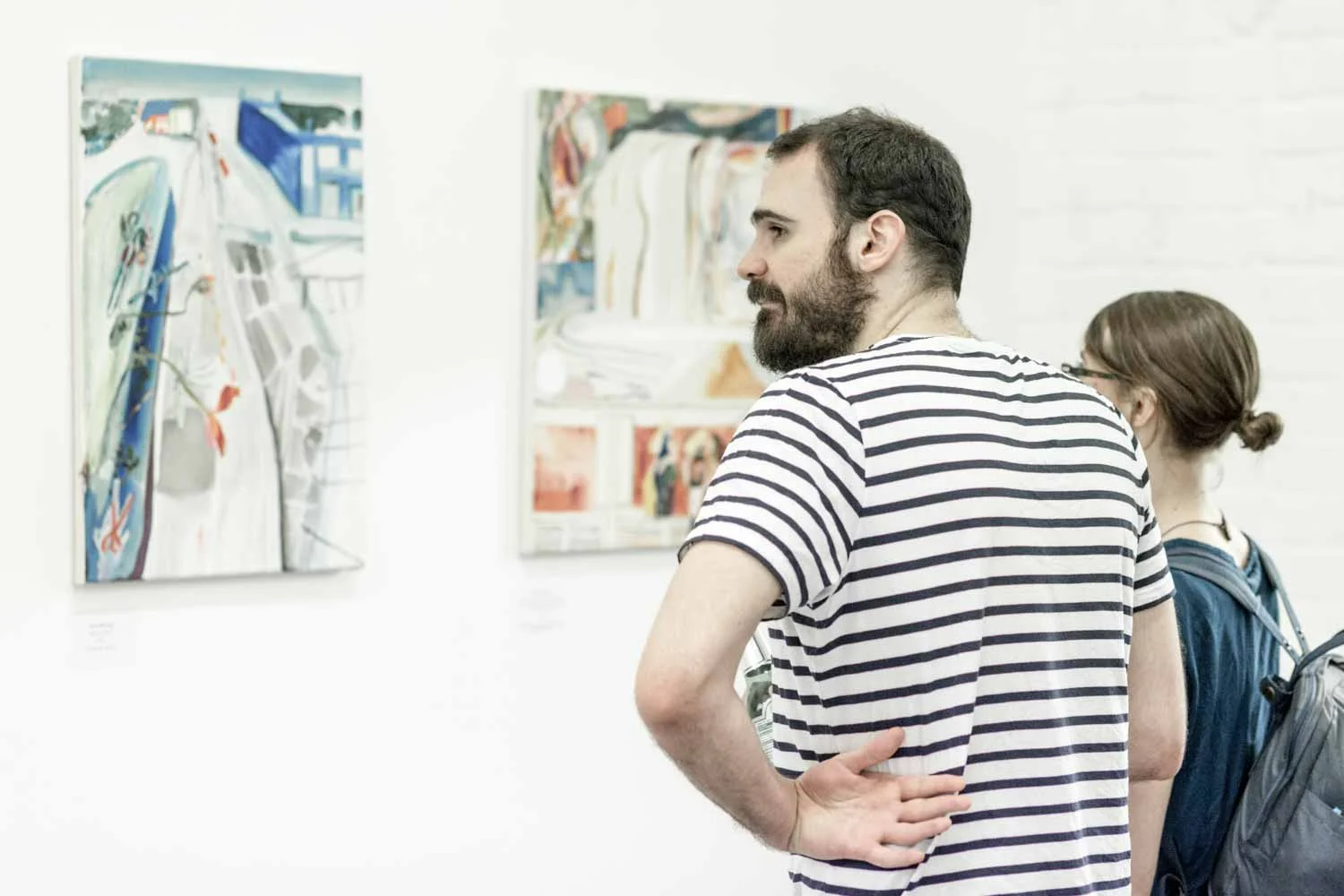
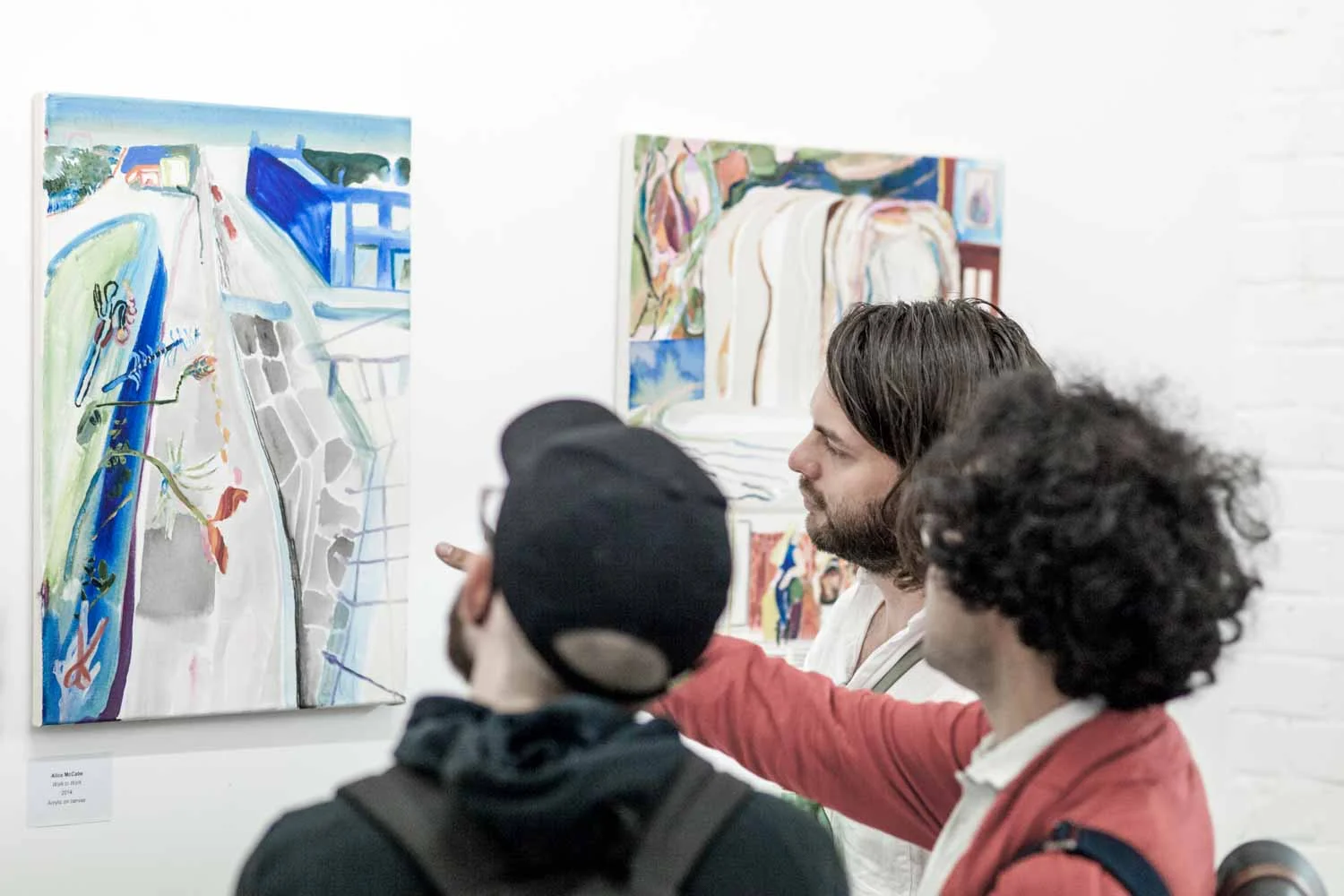
The exhibition brought archival material together with new work by young florists, artists, illustrators and graphic designers that reflects the spirit of Brannan's collection. Florist and painter Alice McCabe created two floral arrangements inspired by California wildflowers and the kinds of bouquets once sold through the GoldRush website. Her paintings echo the inventive, abstract narratives Brannan seems to have been drawn to as a collector. Illustrator Priya Sundram responded to Brannan's unusual position as a woman entrepreneur in tech with a series of posters. Graphic designer Christian Corless reconstructed the lost GoldRush logo from a former employee's description.
Together, these contemporary works drew out what made the Brannan collection distinctive in the early dot-com world. They also raised questions about the relationship between the art world and collectors who made their money in tech.
With thanks to Dr James Lattin of the Museum of Imaginative Knowledge, an expert in 1990s computer culture, for his support and research into the collection.
Curatorial note
Jamie Brannan never existed. Neither did GoldRush or the collection. The Jamie Brannan Archive was a parafiction, a term the art historian Carrie Lambert-Beatty uses for fictions that are staged so they are experienced, at least for a while, as fact.¹ The exhibition presented its invented history through the real forms of the museum: archival documents, wall texts, reconstructions and expert acknowledgements.
The project began with a question. The first Bay Area tech boom produced a generation of collectors, and the story is usually told through men. What if a woman at the centre of that boom had used her new wealth to buy art? What would she have collected, and who would she have supported? Bernice Bing, William T. Wiley and Squeak Carnwath were real artists working in the Bay Area at the time, and the fictional collection places them beside the students and designers such a collector might have championed. By inventing Brannan, the exhibition made room for a history that could have happened and asked why it so rarely did.
The name GoldRush was deliberate. The dot-com boom was often called California's second gold rush: a flood of money and people into San Francisco, and fortunes made and lost at speed. The exhibition's motto, Be Just and Fear Not, came from the first gold rush. It was inscribed on the medals of the San Francisco Committee of Vigilance, the citizen groups of 1851 and 1856 that took policing and justice into their own hands when the city's institutions could not keep up. The committees borrowed the words from Cardinal Wolsey's speech in Shakespeare's Henry VIII. Placed in a tech collector's archive, the motto points to a thread that runs from the vigilantes to the startup founders: the belief that people who move fast enough can write their own rules. Brannan's collection imagines a different use of that confidence, one that is generous rather than self-appointed.
The fiction also turned the archive on itself. An archive gives authority to whatever it holds. A logo reconstructed from memory, flowers arranged "in the style of" a lost website, and a thank-you to a researcher are all ordinary ways that museums build a past. Here they built one from nothing. The questions this raises about what counts as evidence, who gets recorded and how archives persuade have stayed central to my practice, from my PhD research on online collections to my current work asking what makes something an archive.
¹ Carrie Lambert-Beatty, "Make-Believe: Parafiction and Plausibility," October 129 (Summer 2009): 51–84.